PRODUCT VISUALIZATION
Product imagery shaped through 3D, art direction, post-production and emerging visual tools.




Equi
Fragrance visualization & campaign imagery
Art Direction • 3D Visualization • AI-assisted Imagery • Post-production
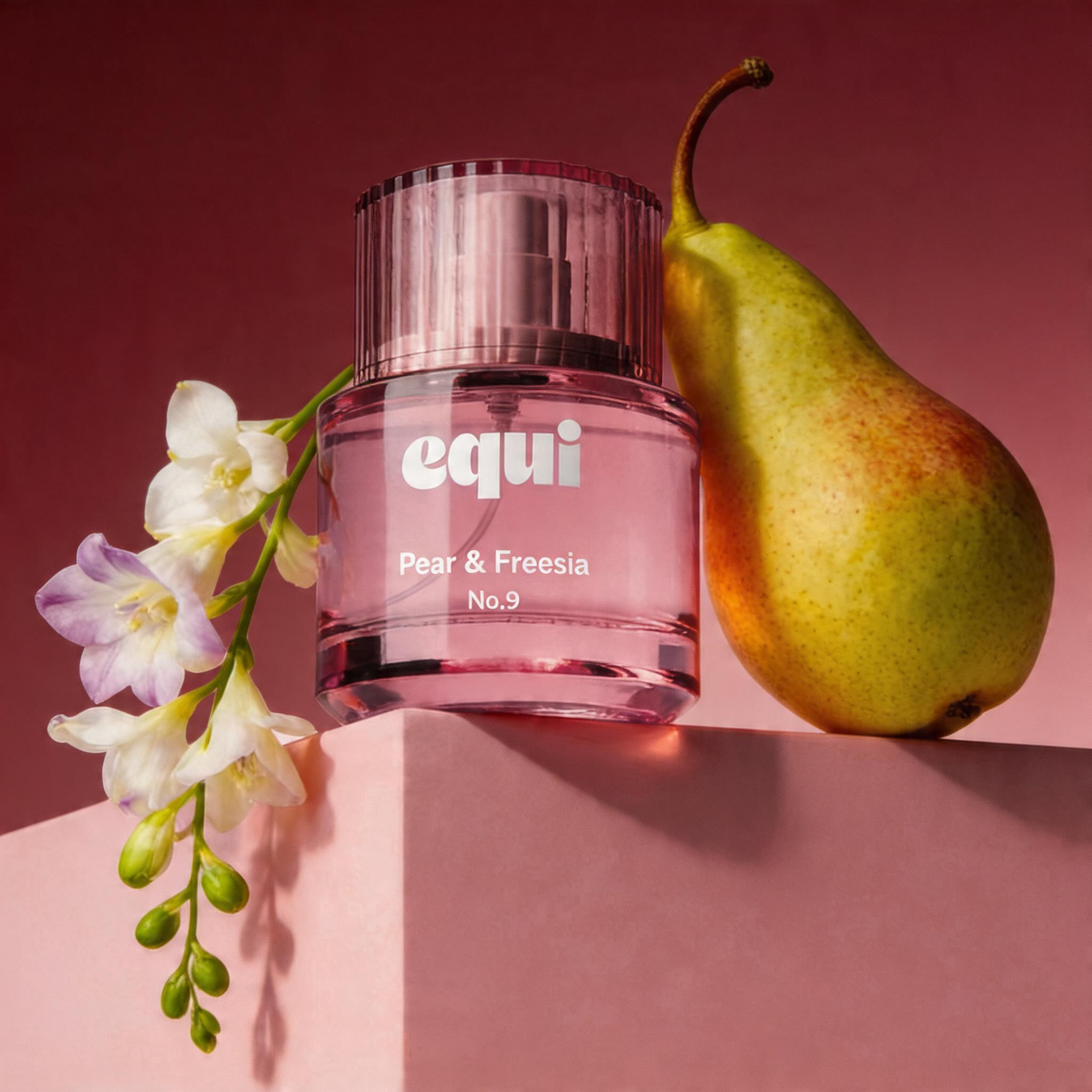
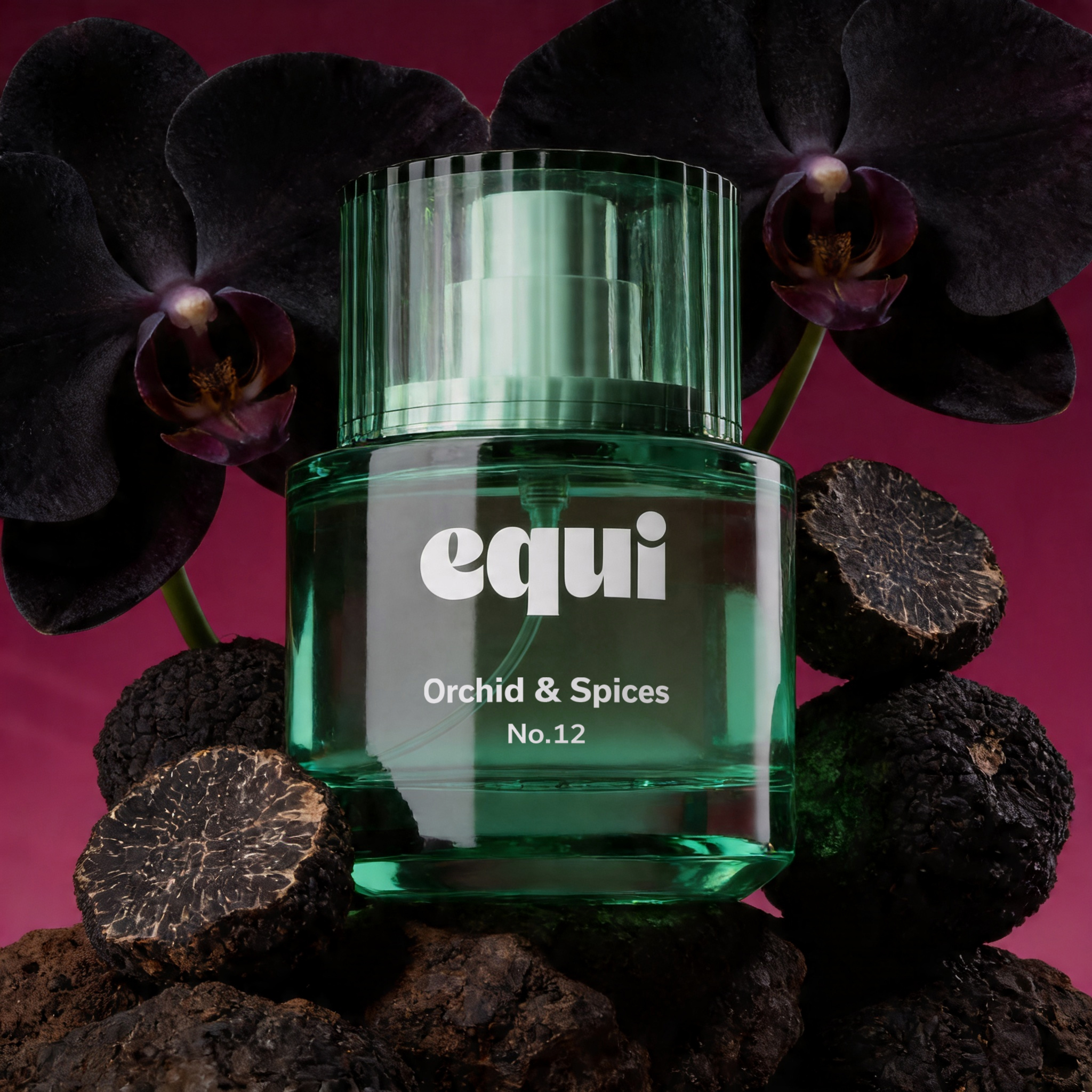
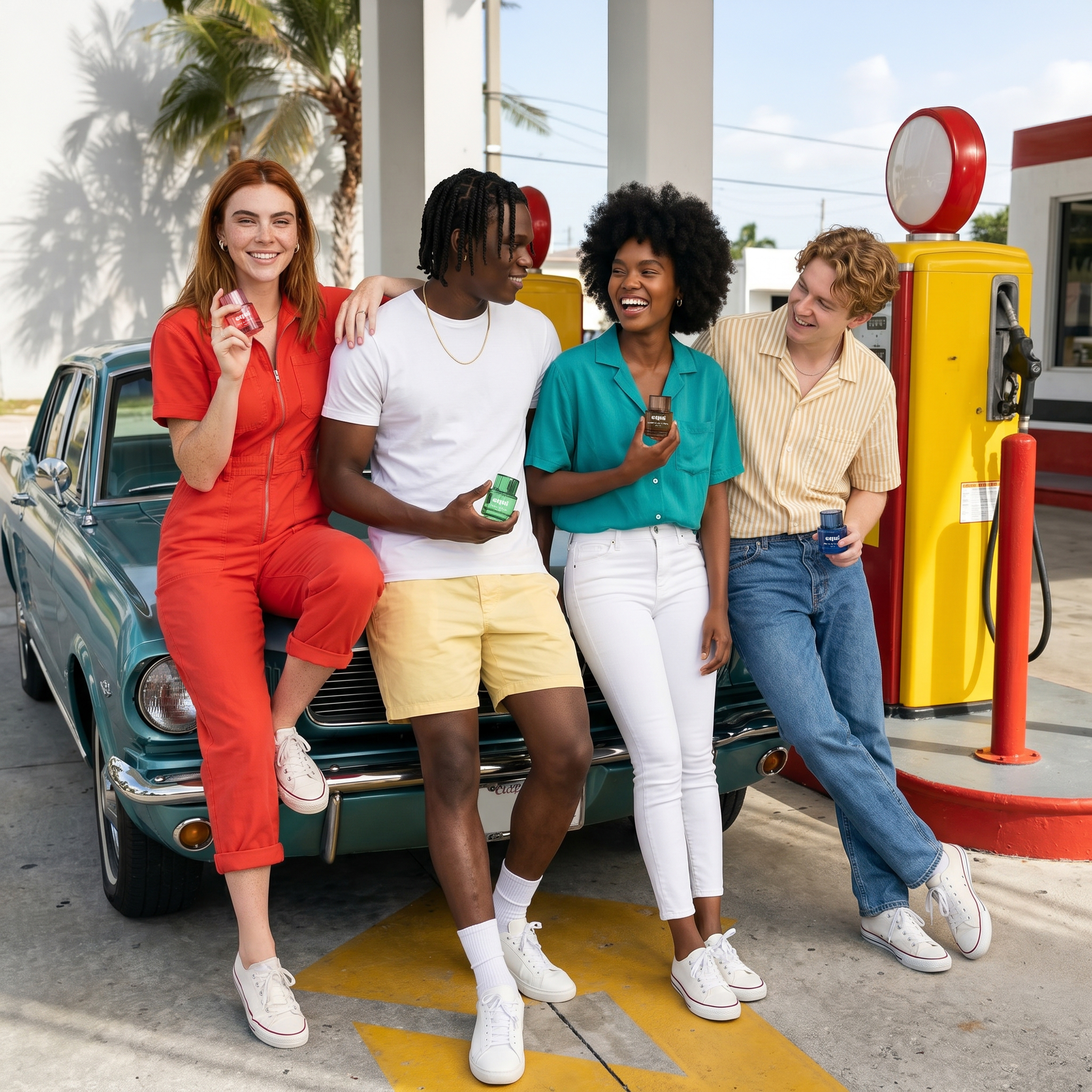
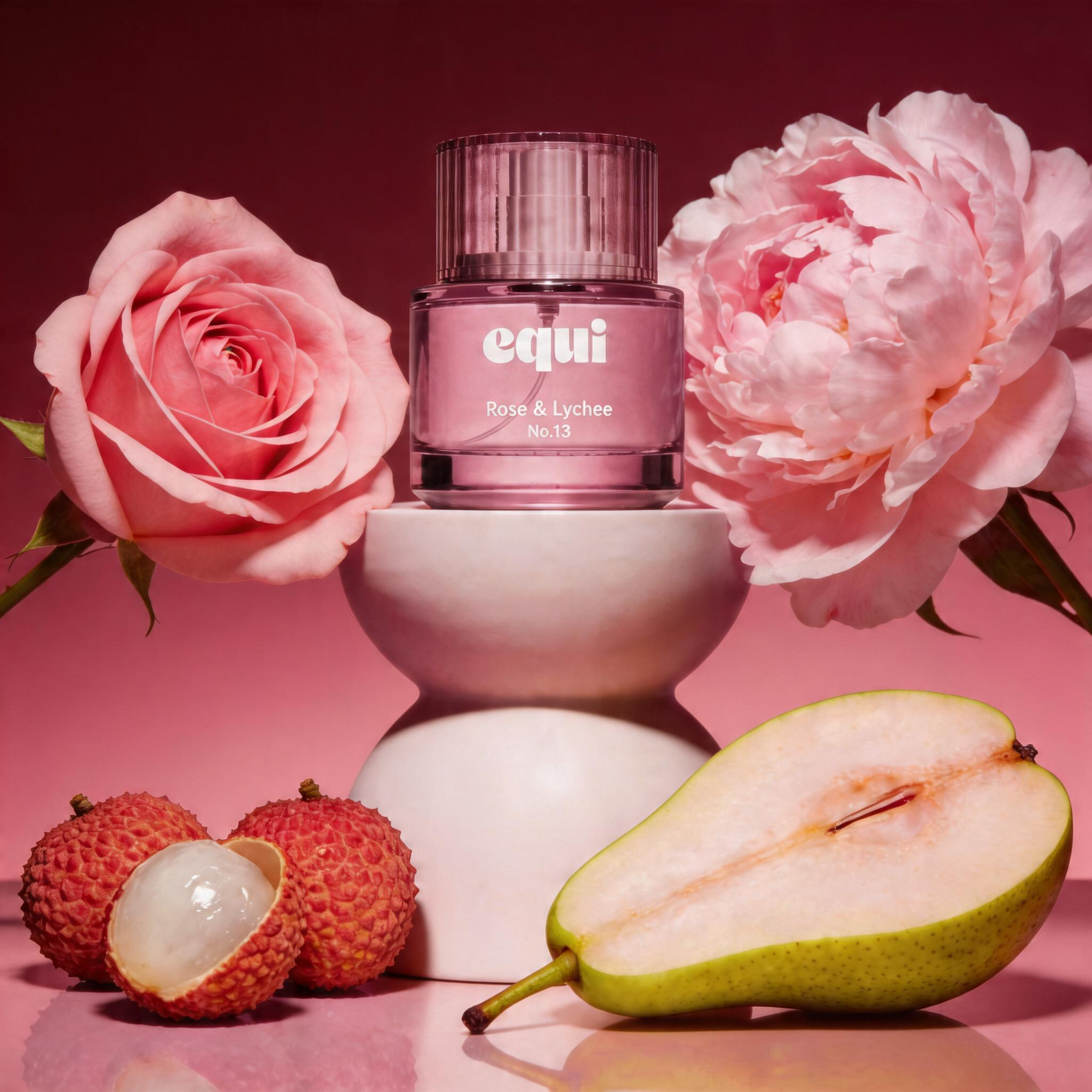
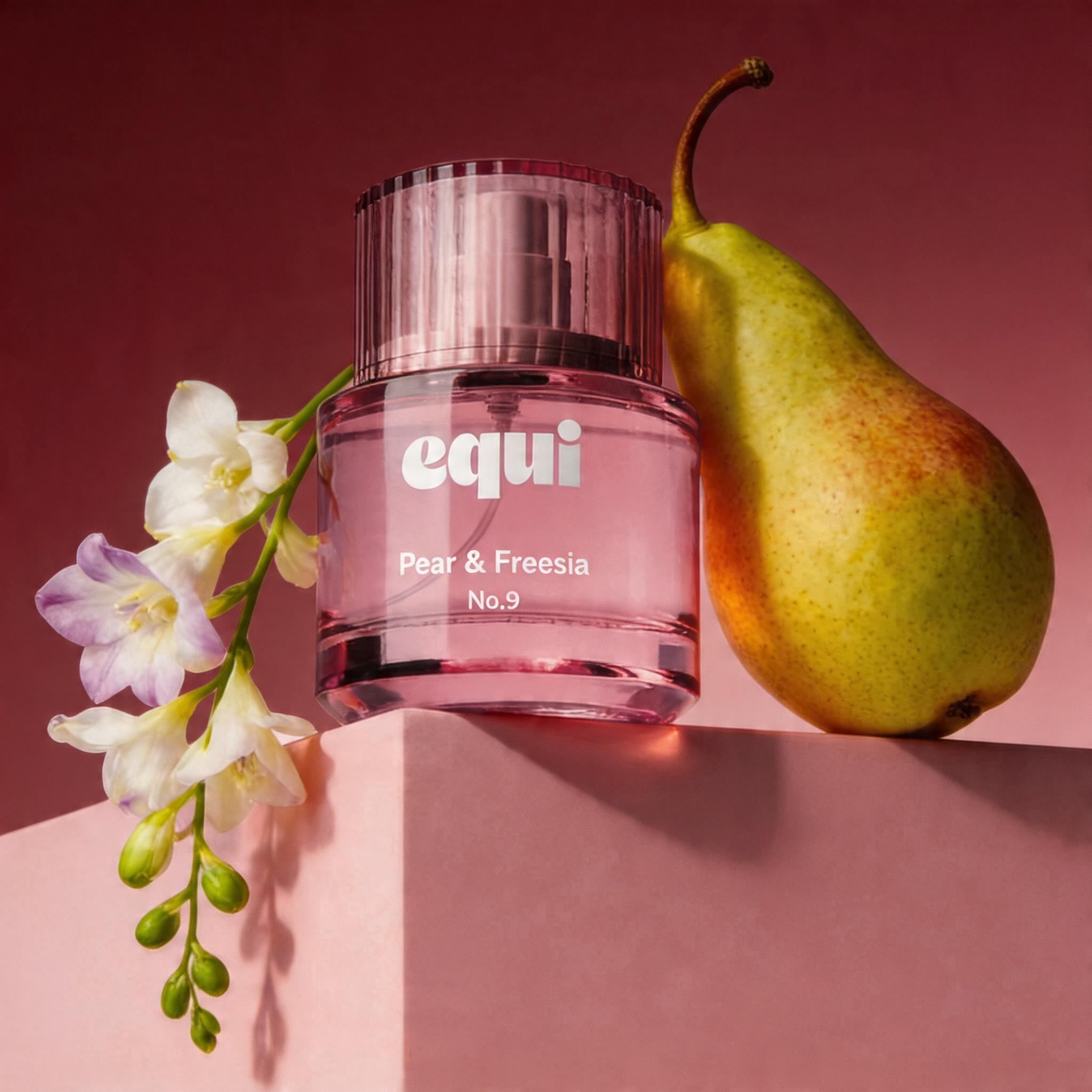
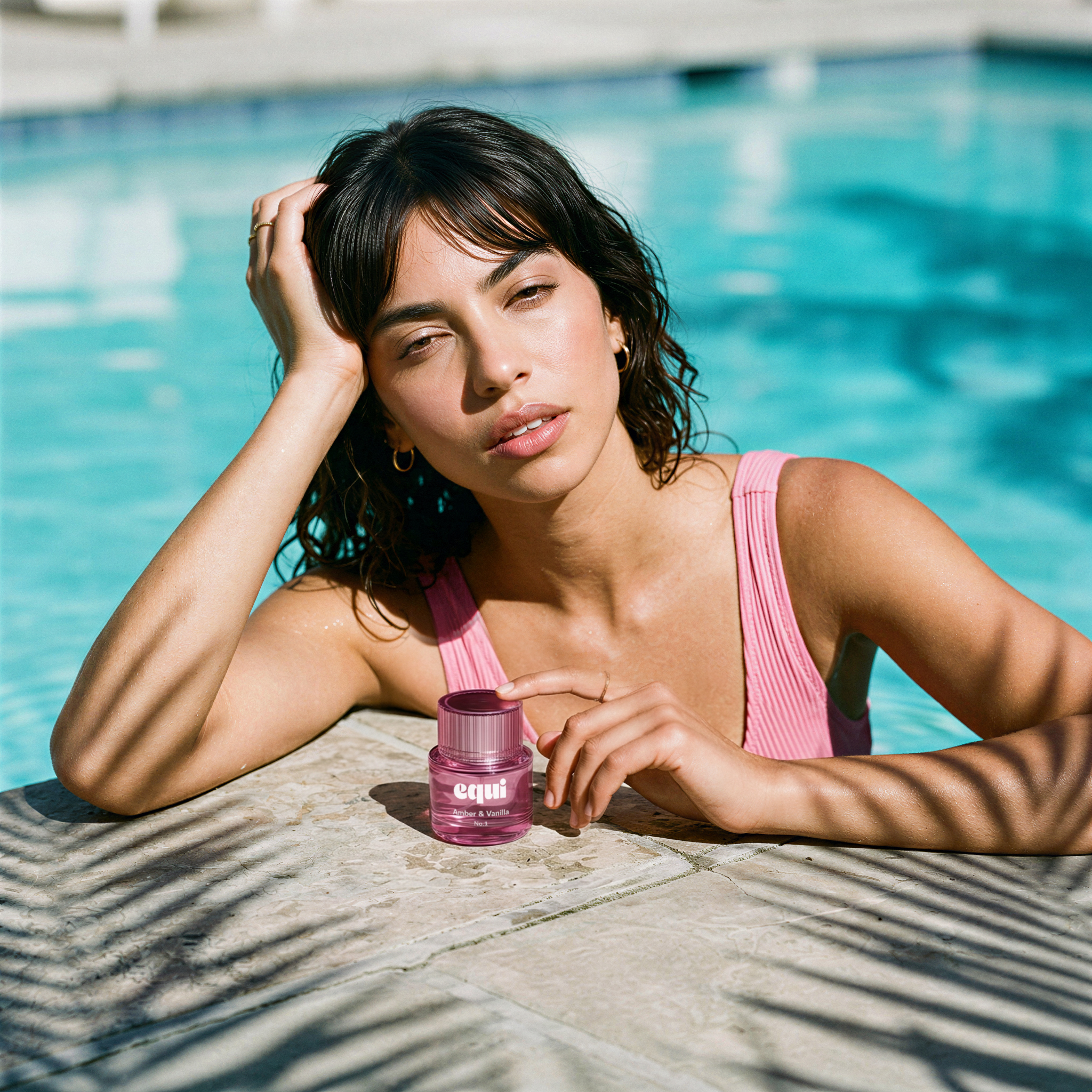
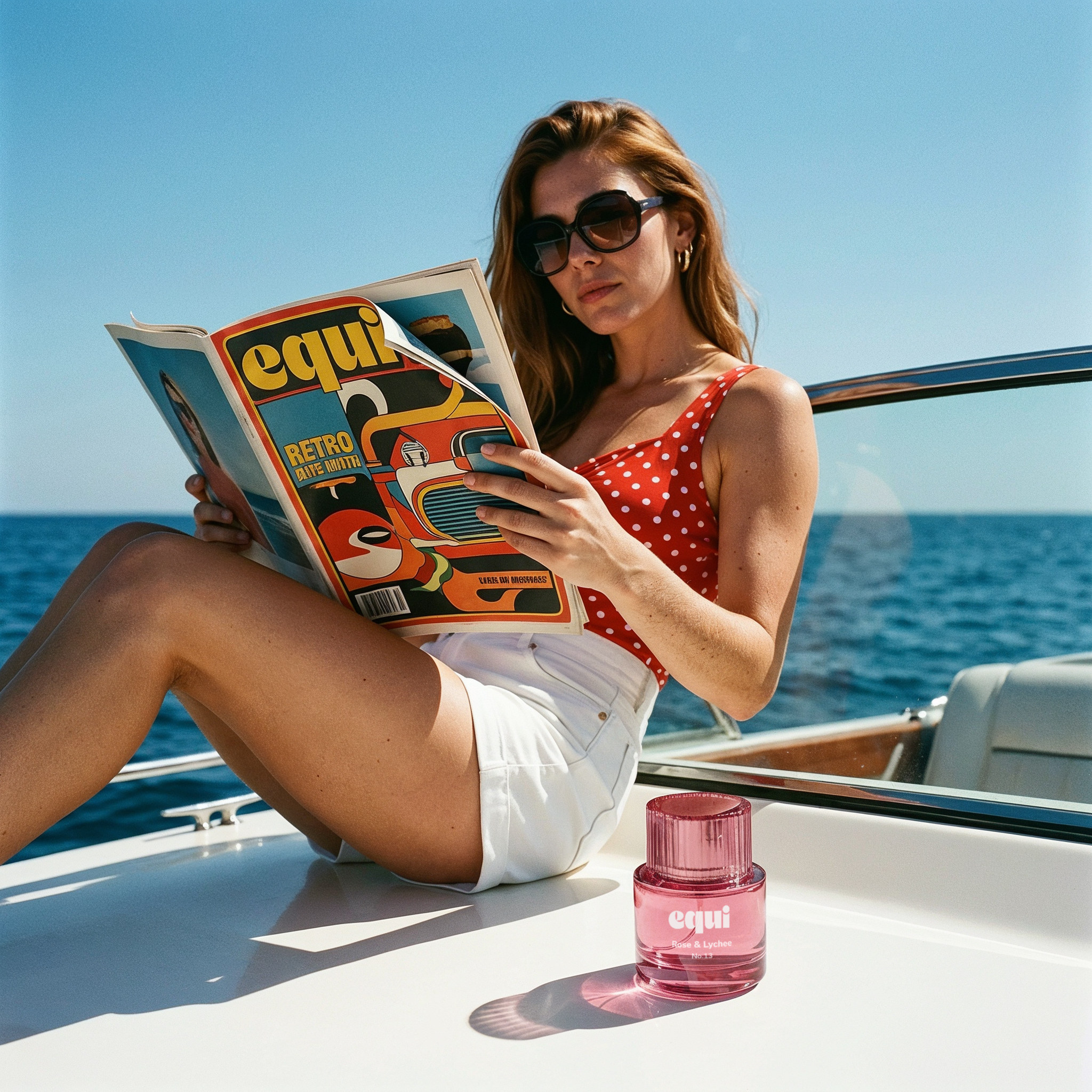
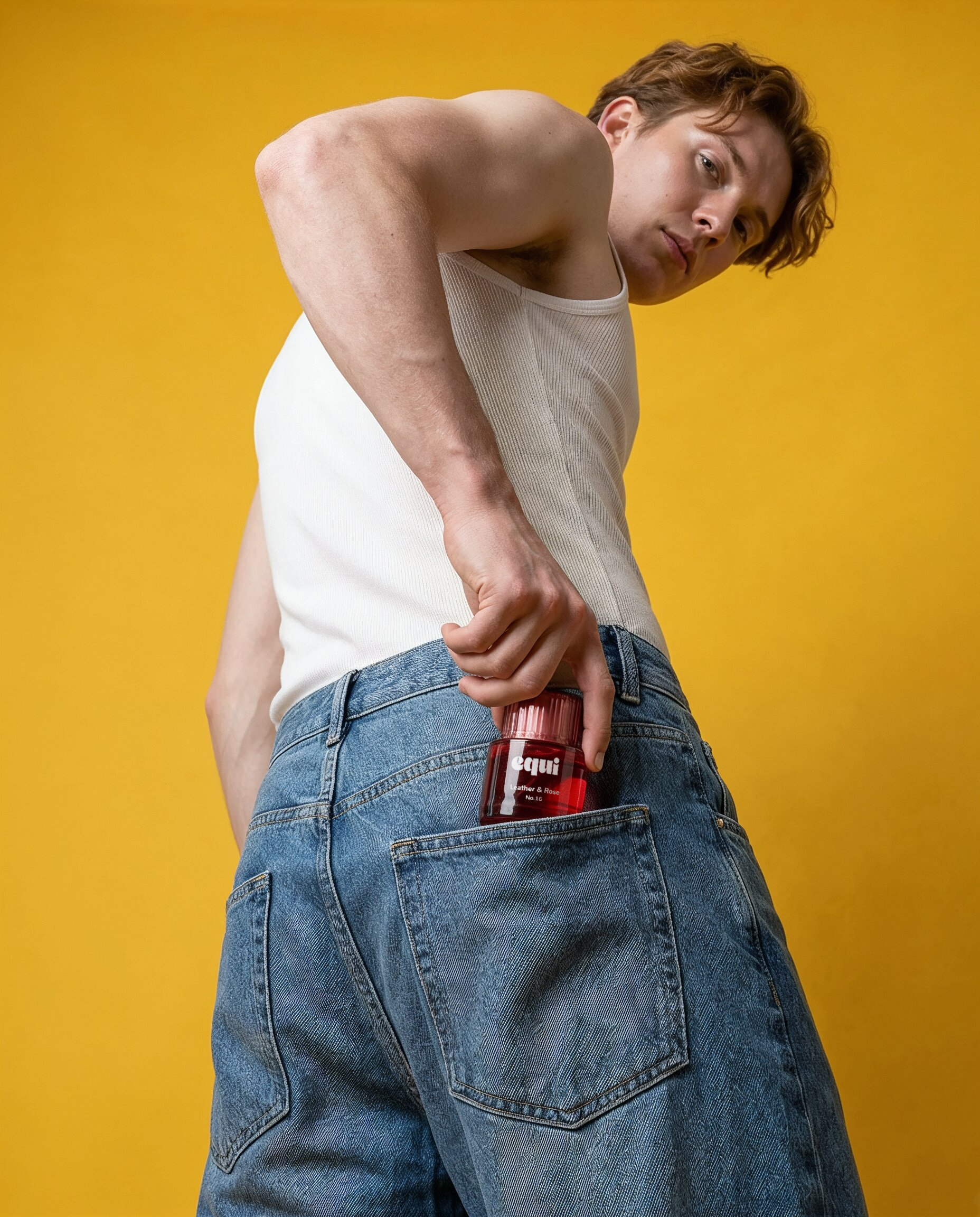
Equi is a fragrance visualization project focused on creating a cohesive visual identity across a range of products. The imagery combines controlled product rendering with art direction, ingredient-led compositions and AI-assisted image development to create scenes that feel polished, tactile and campaign-ready. Each image explores a different mood while maintaining consistency in lighting, material treatment and overall visual language.


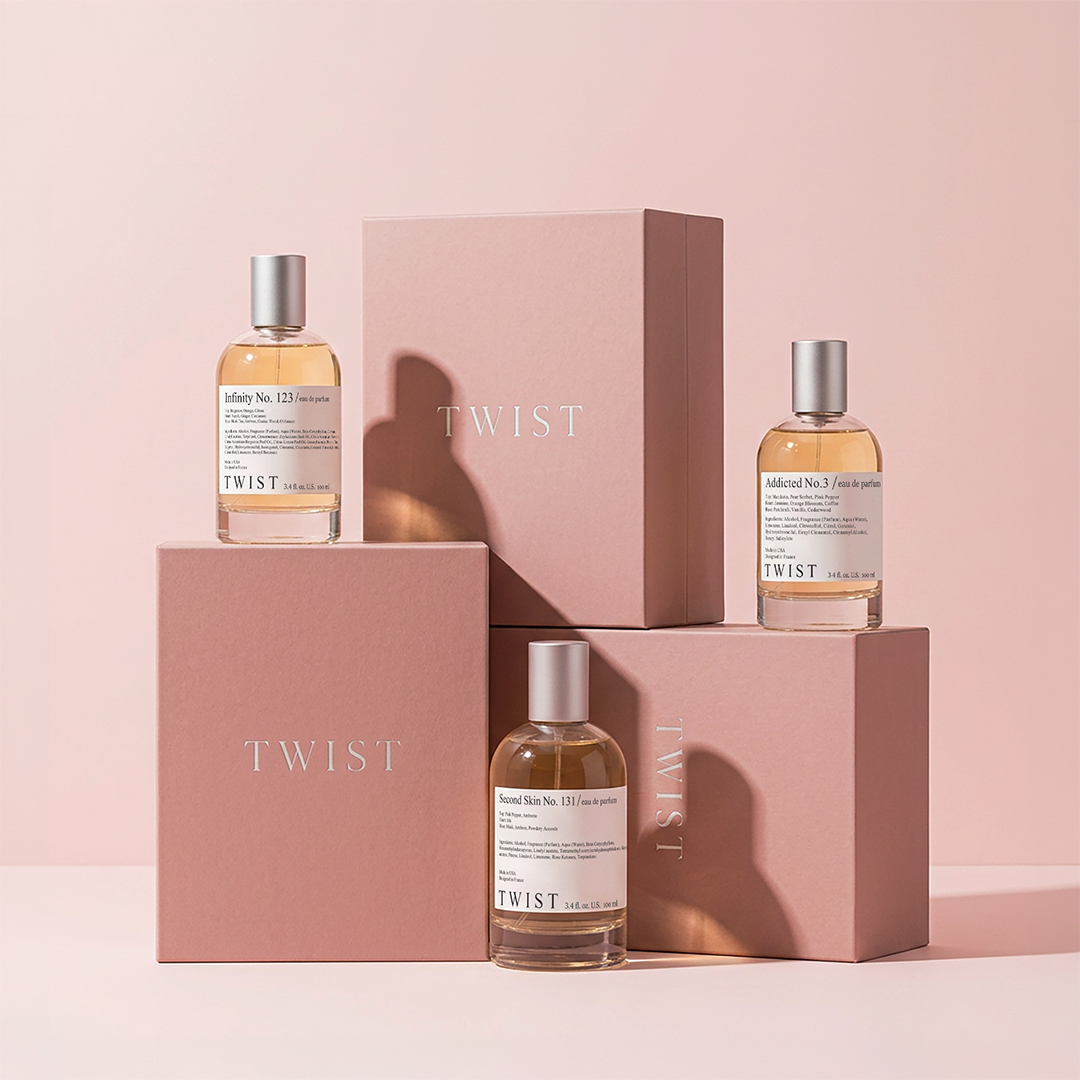
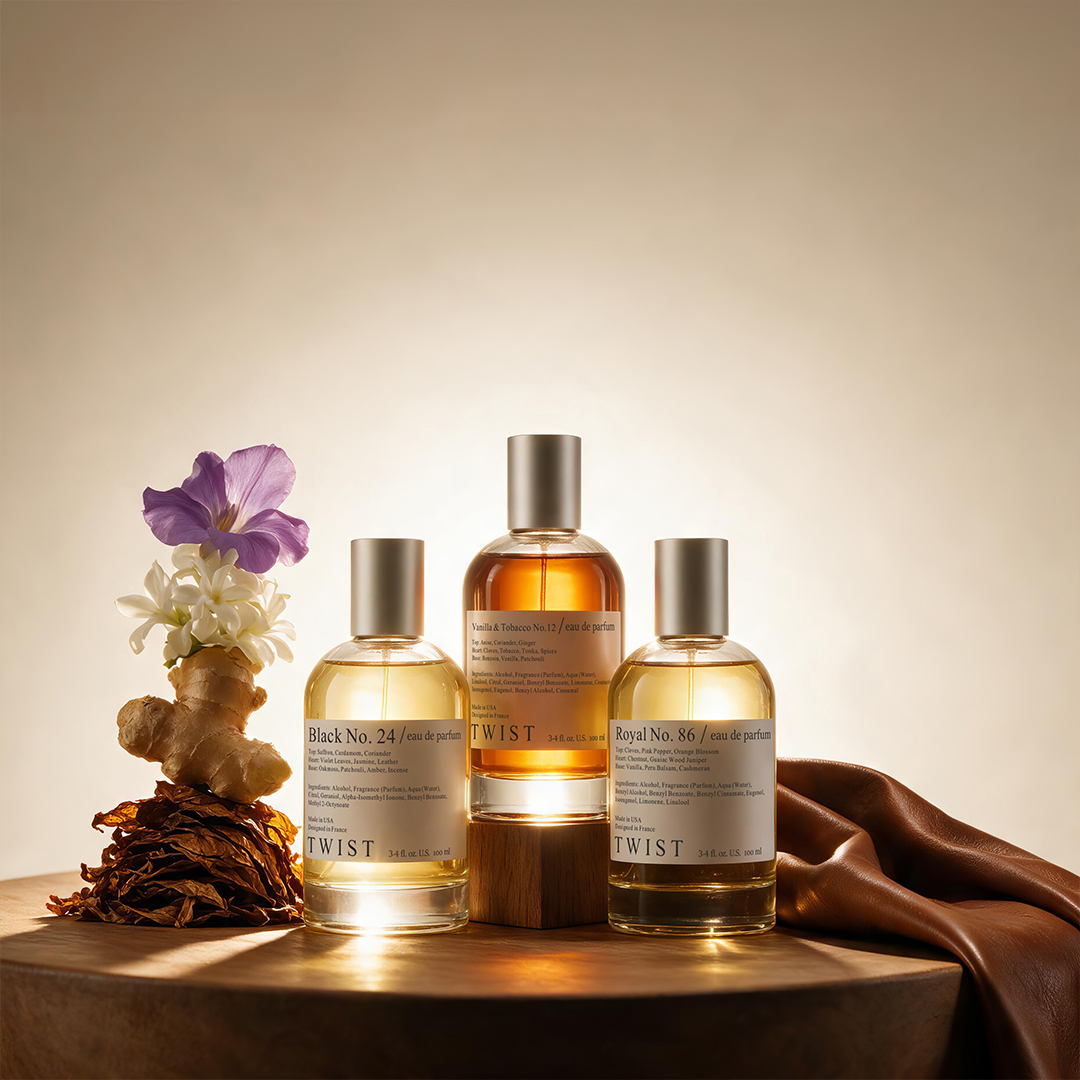
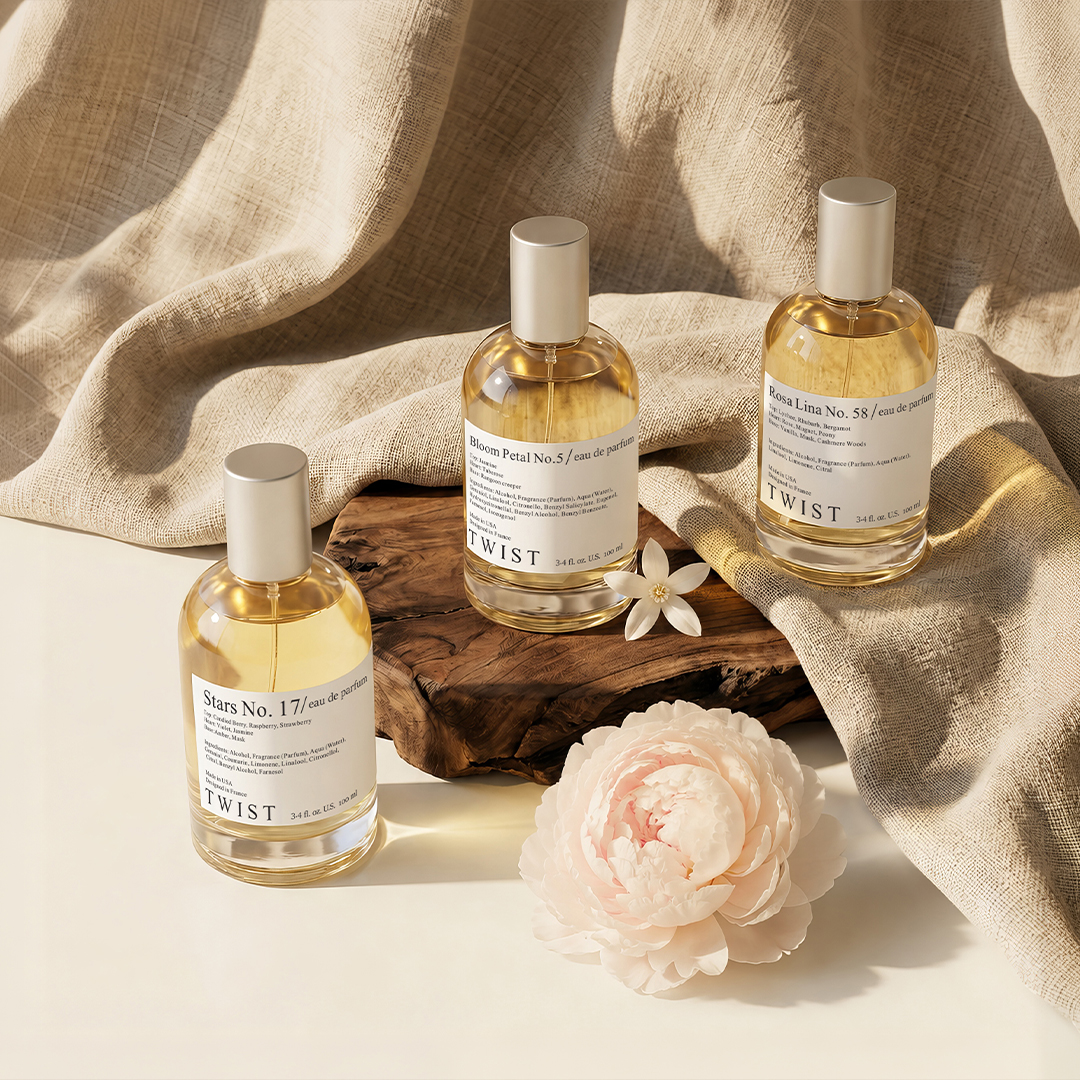
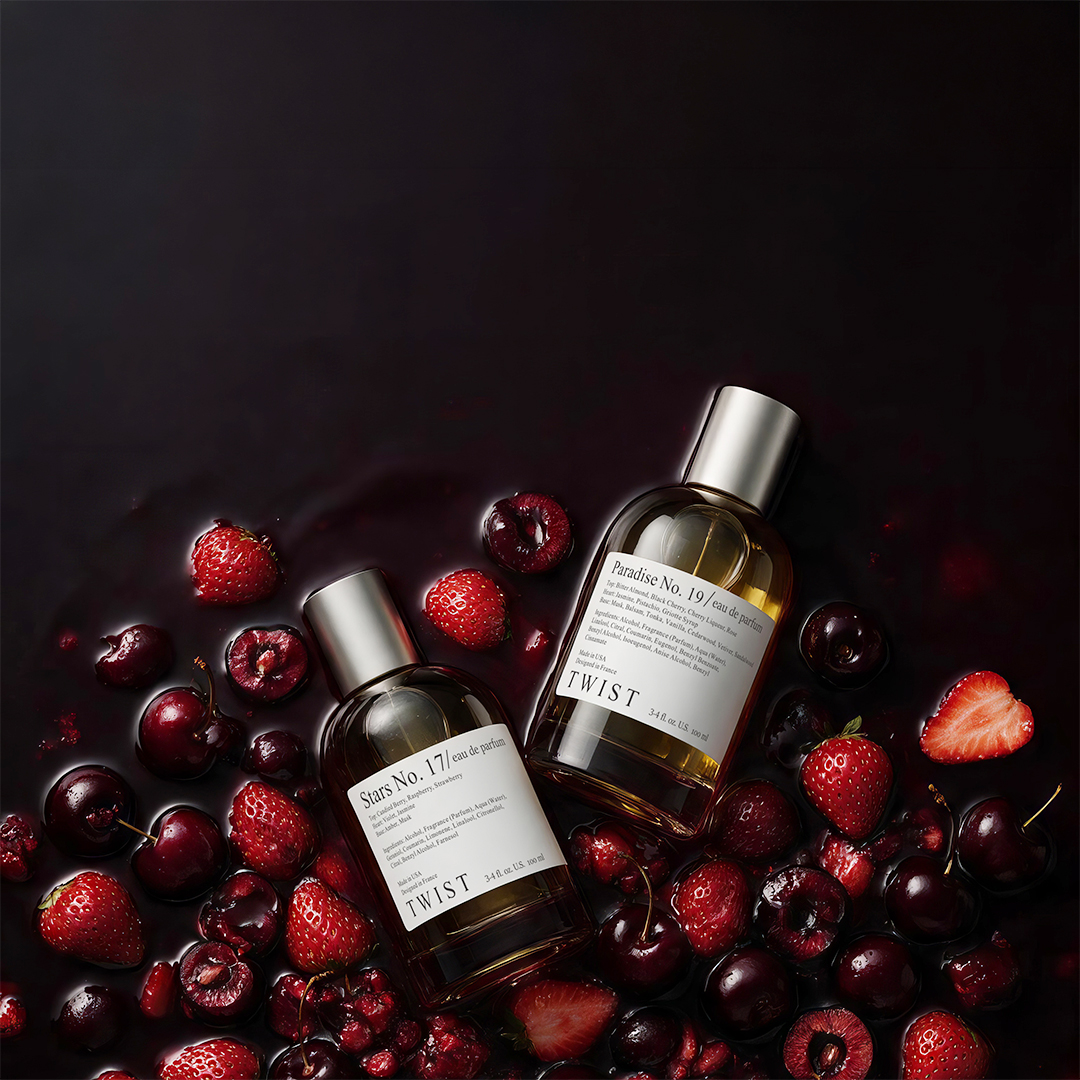
Twist
Fragrance visualization & campaign imagery
Art Direction • 3D Visualization • AI-assited Imagery • Post-production
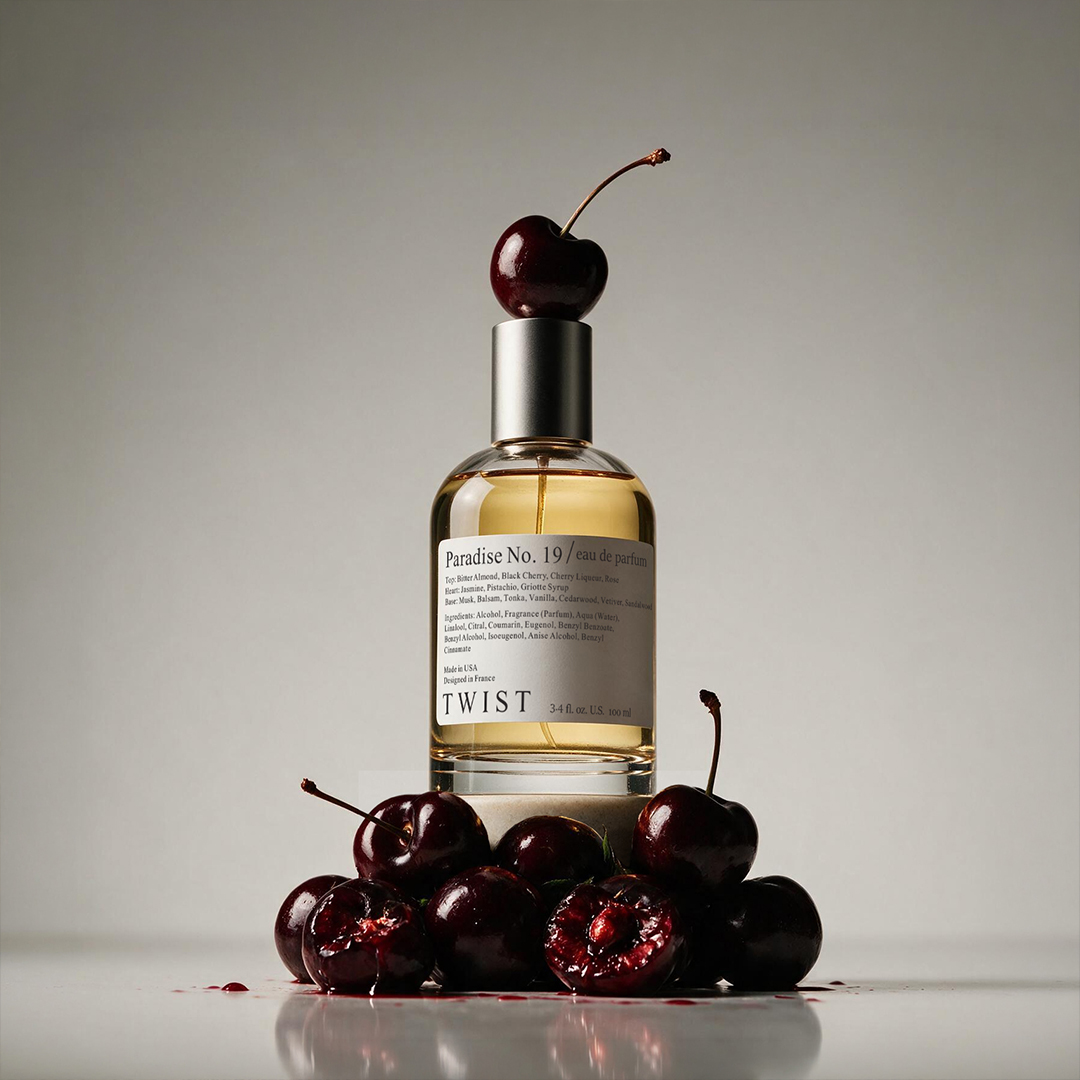
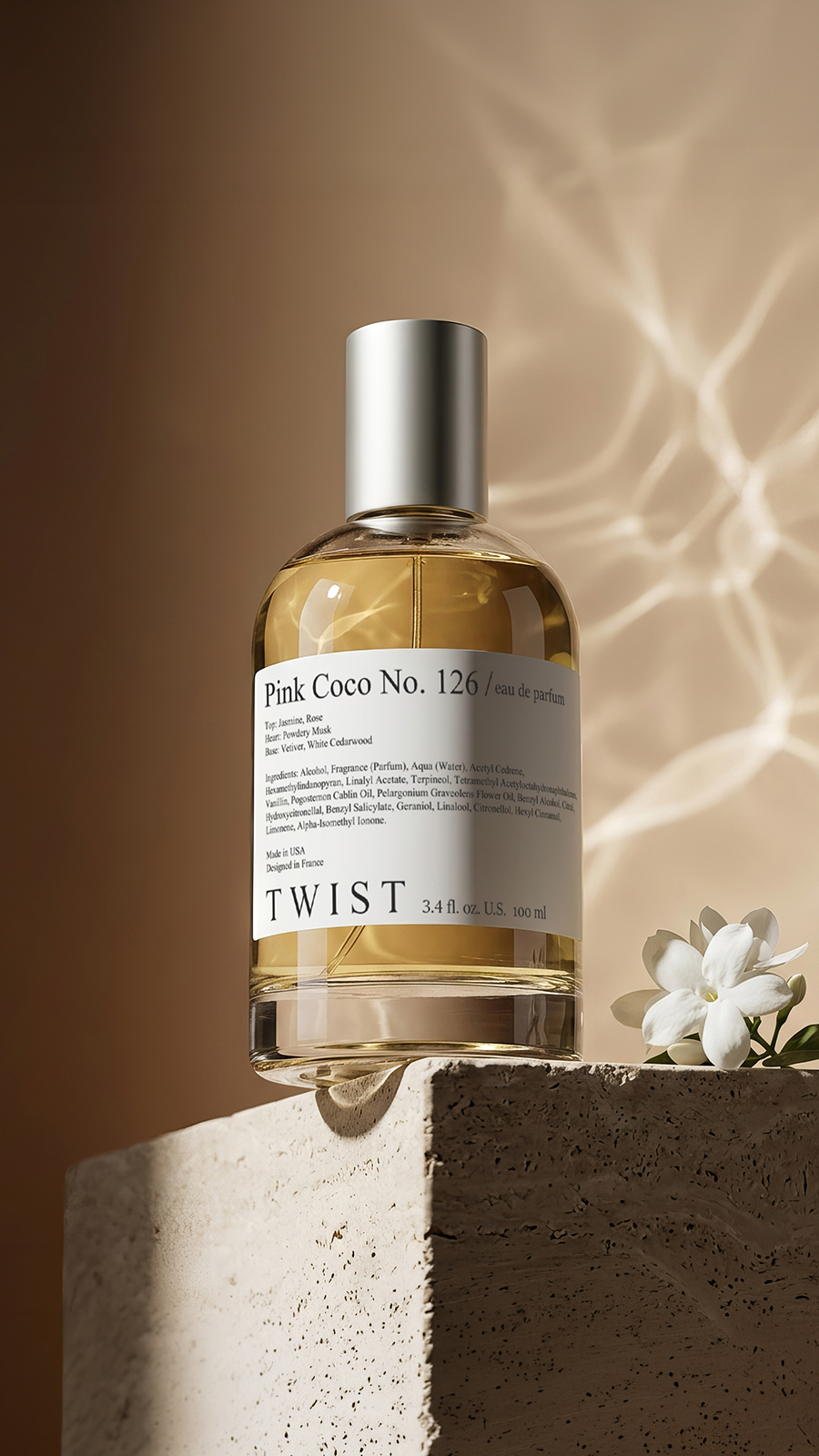
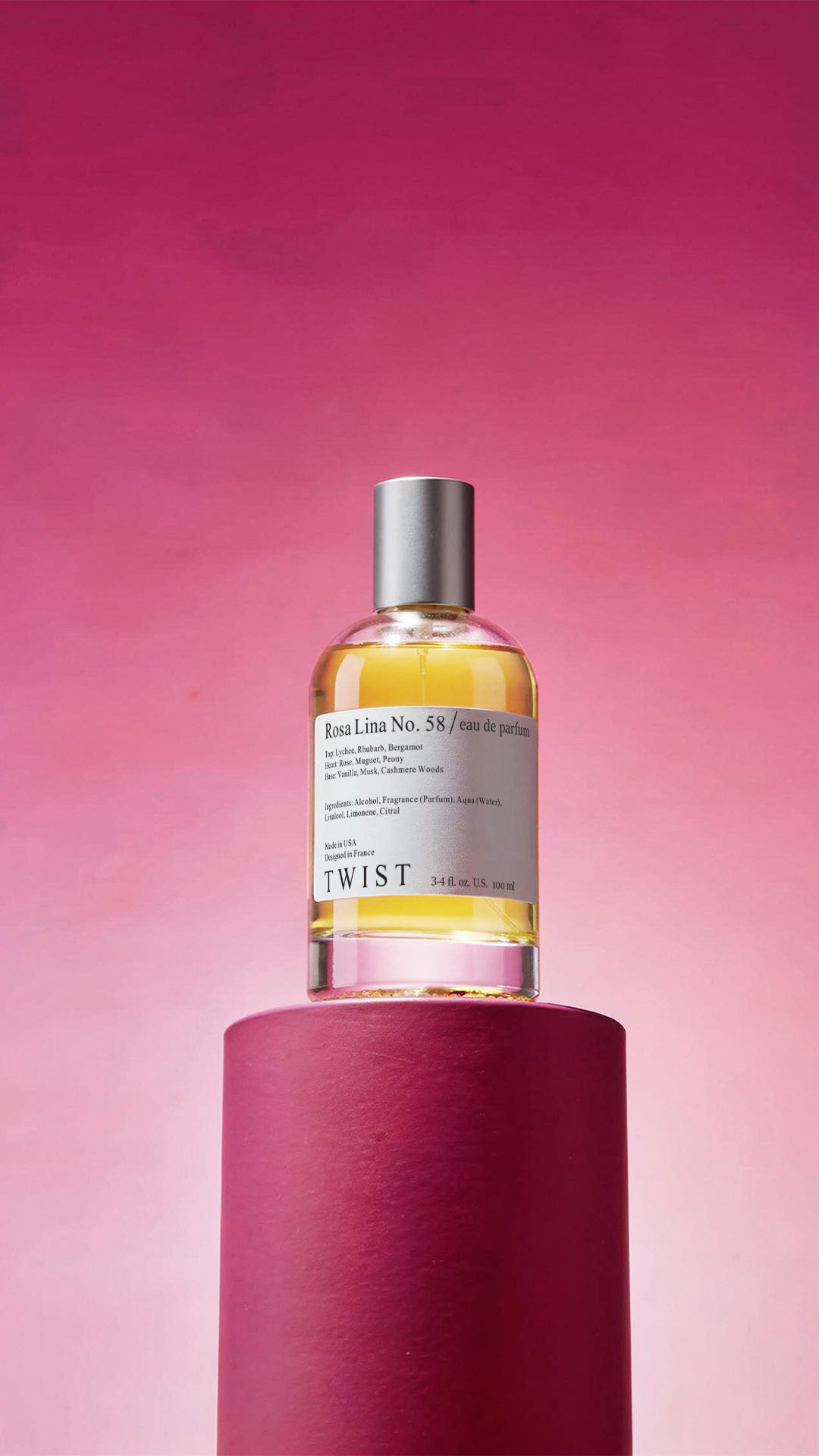
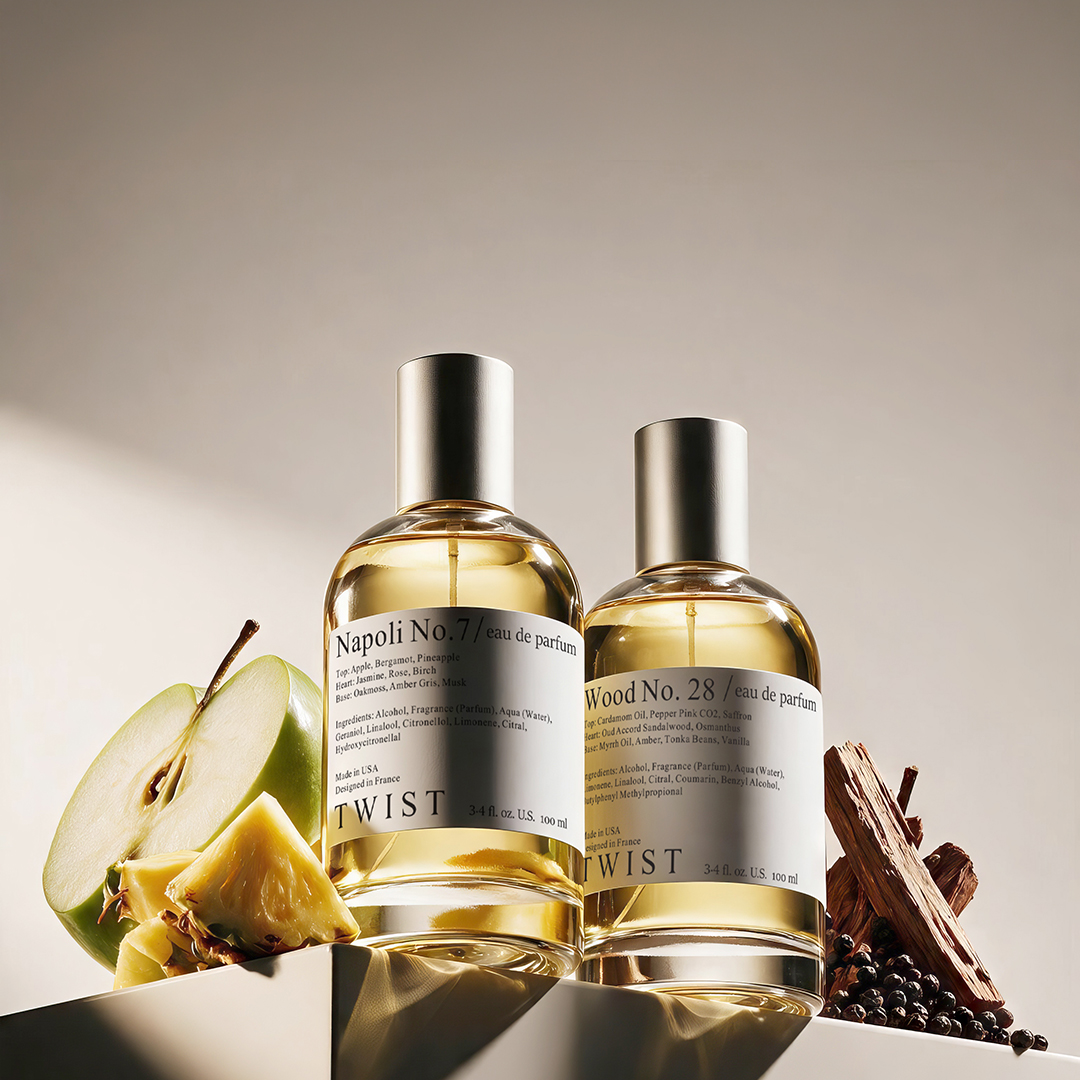
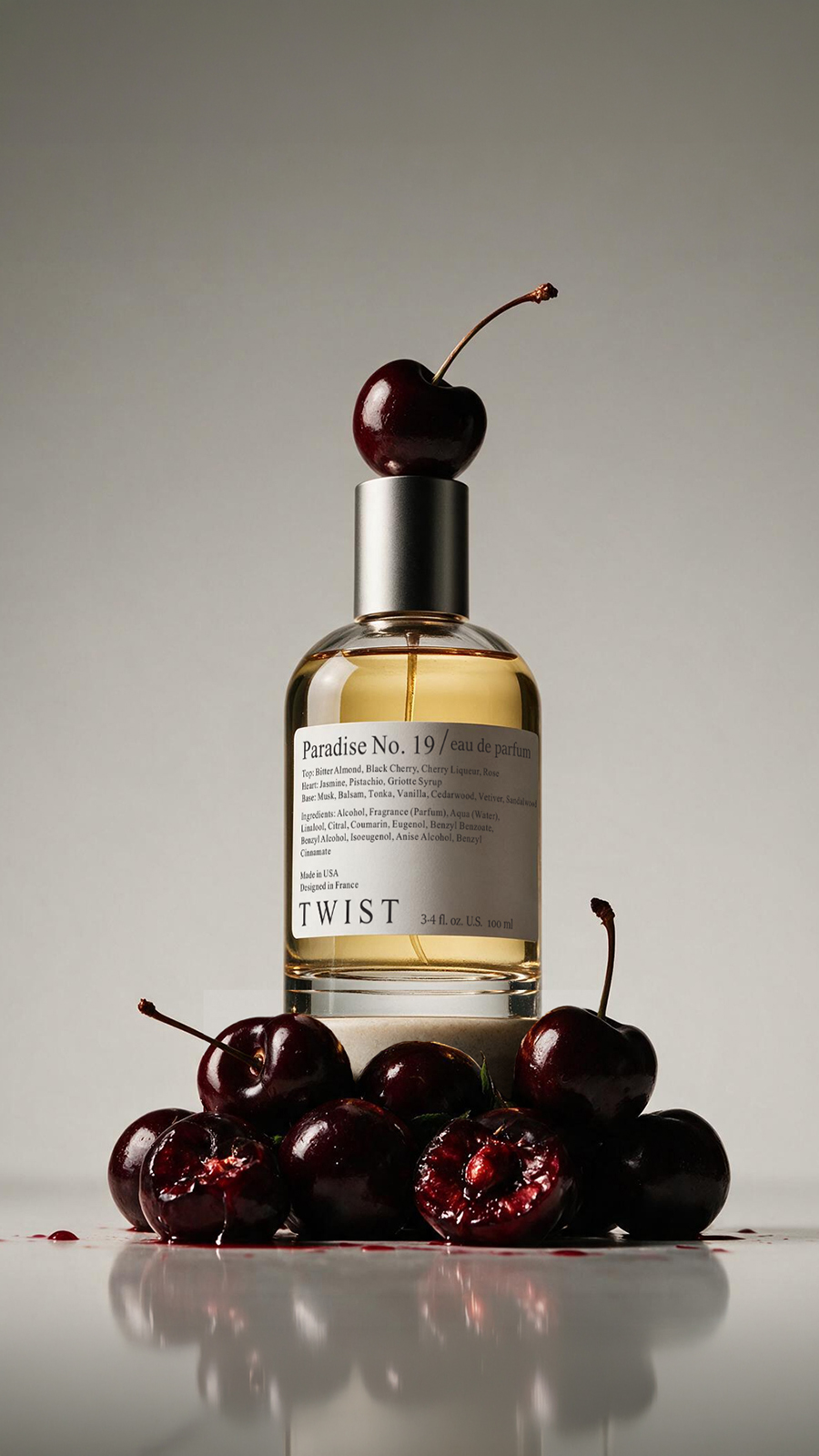
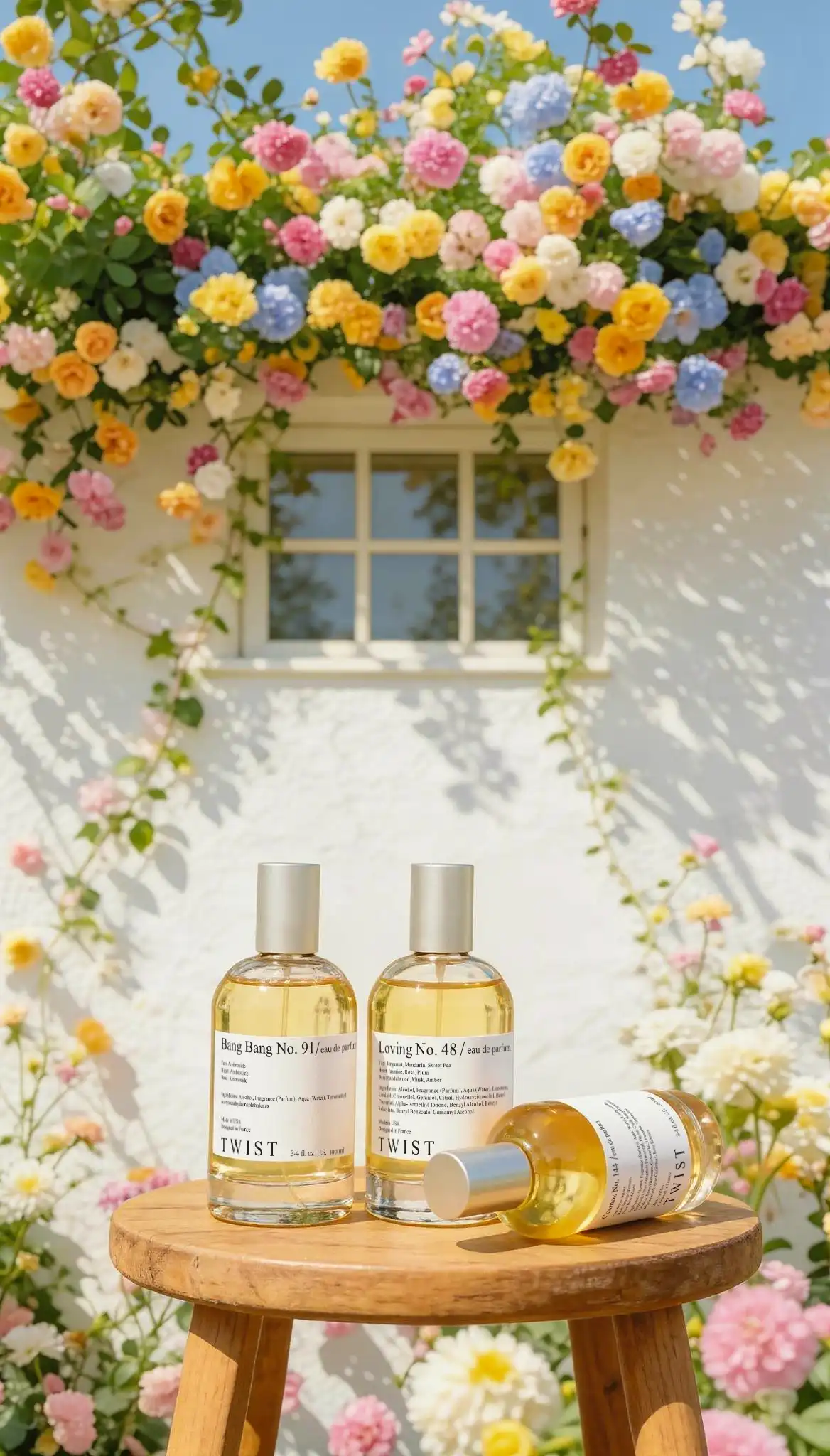
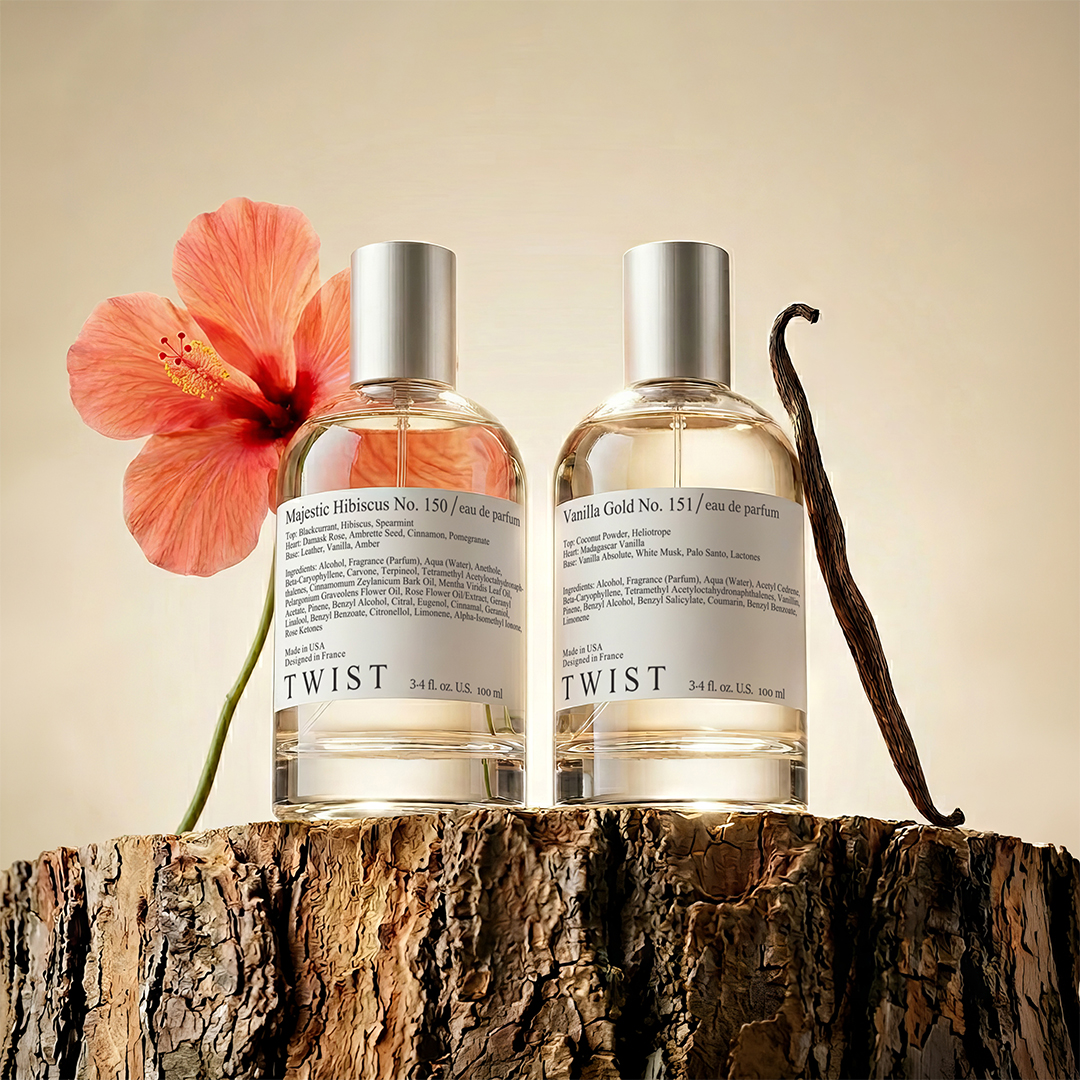
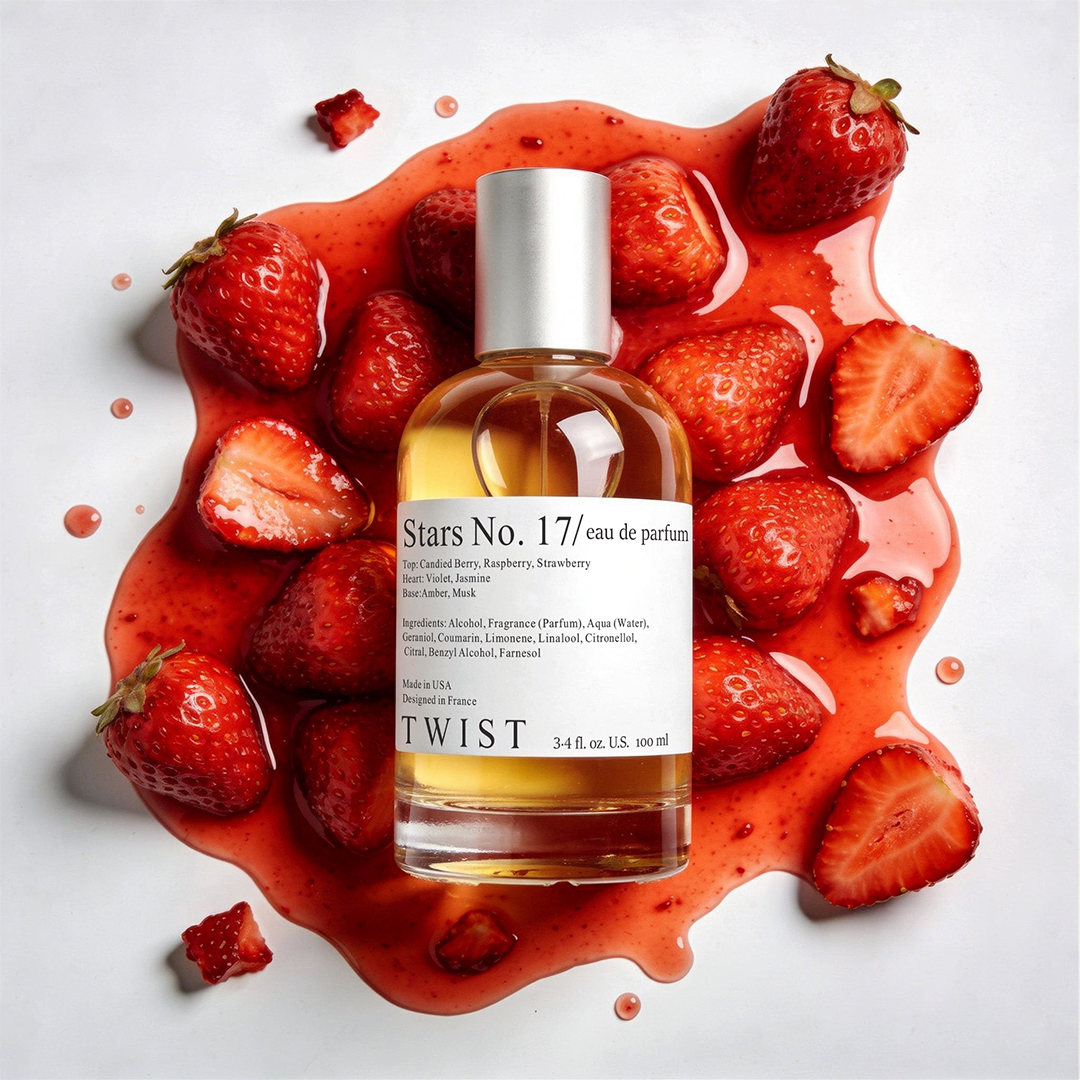
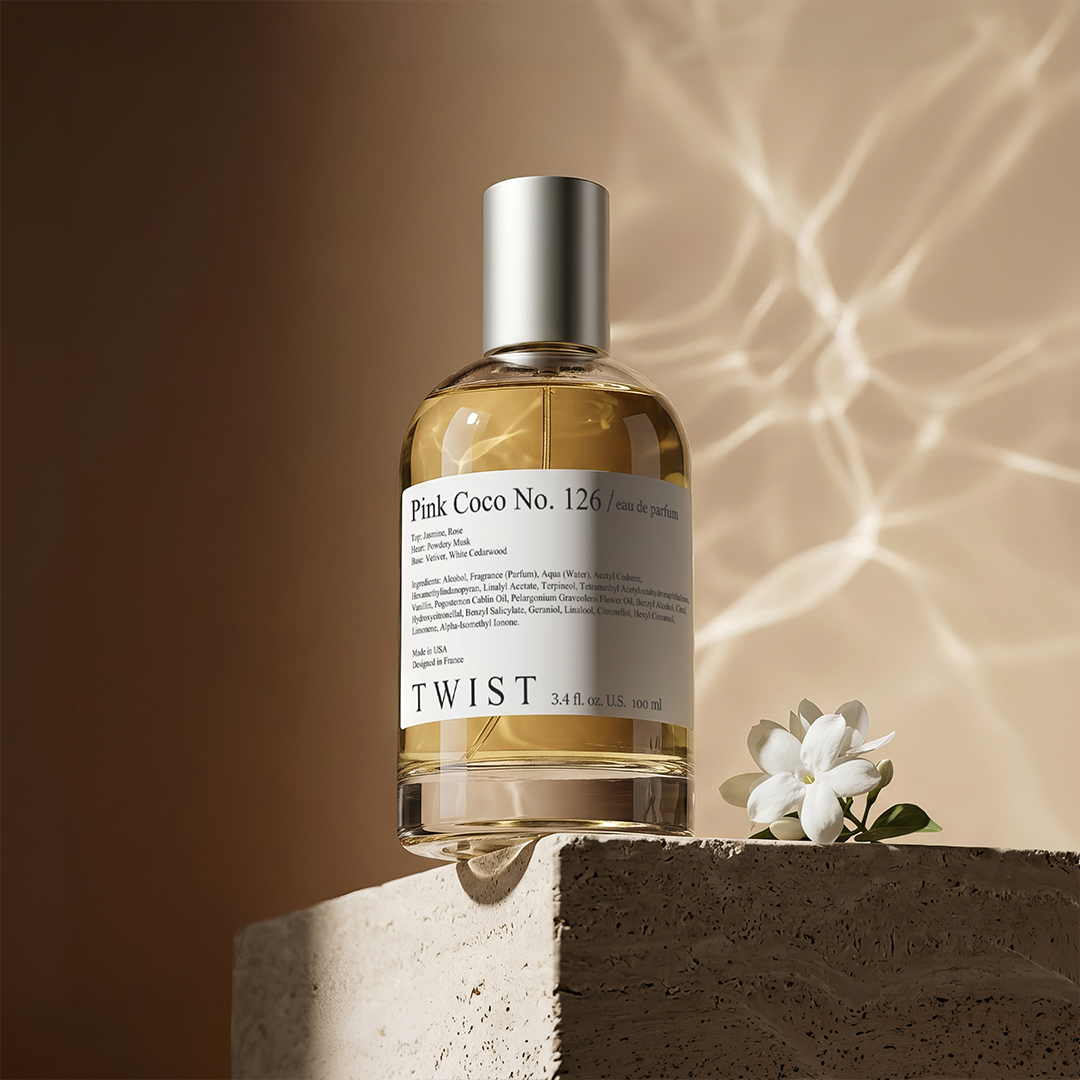
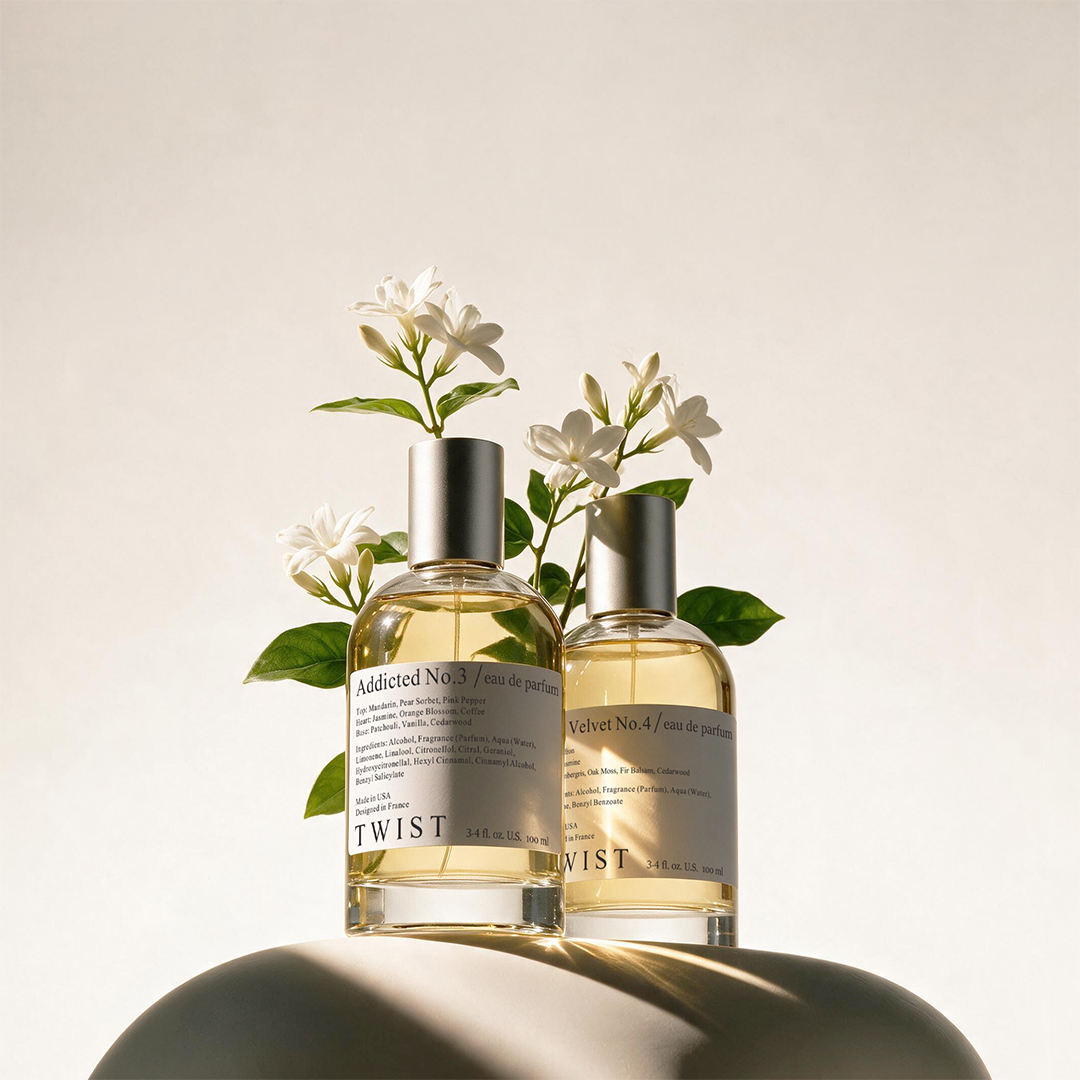
Twist is a fragrance visualization project built around translating each scent into a distinct visual composition. Product imagery is paired with ingredients, materials and carefully controlled studio lighting to reflect the character of each fragrance while maintaining a consistent brand language across the collection. The result is a series of polished, editorial-style visuals designed to present the products with a more tactile and expressive identity.


MIO Culture
Acoustic product visualization & lifestyle imagery
3D Visualization • Art Direction • Material Development • Post-production
MIO Culture creates design-focused acoustic products that combine sound management with strong visual character. For this ongoing collaboration, I developed a flexible visualization system capable of presenting the collection across product catalogs, digital platforms and lifestyle imagery. The work ranges from controlled studio renders to fully designed 3D environments and product integrations within photography.
3D Lifestyle Renders


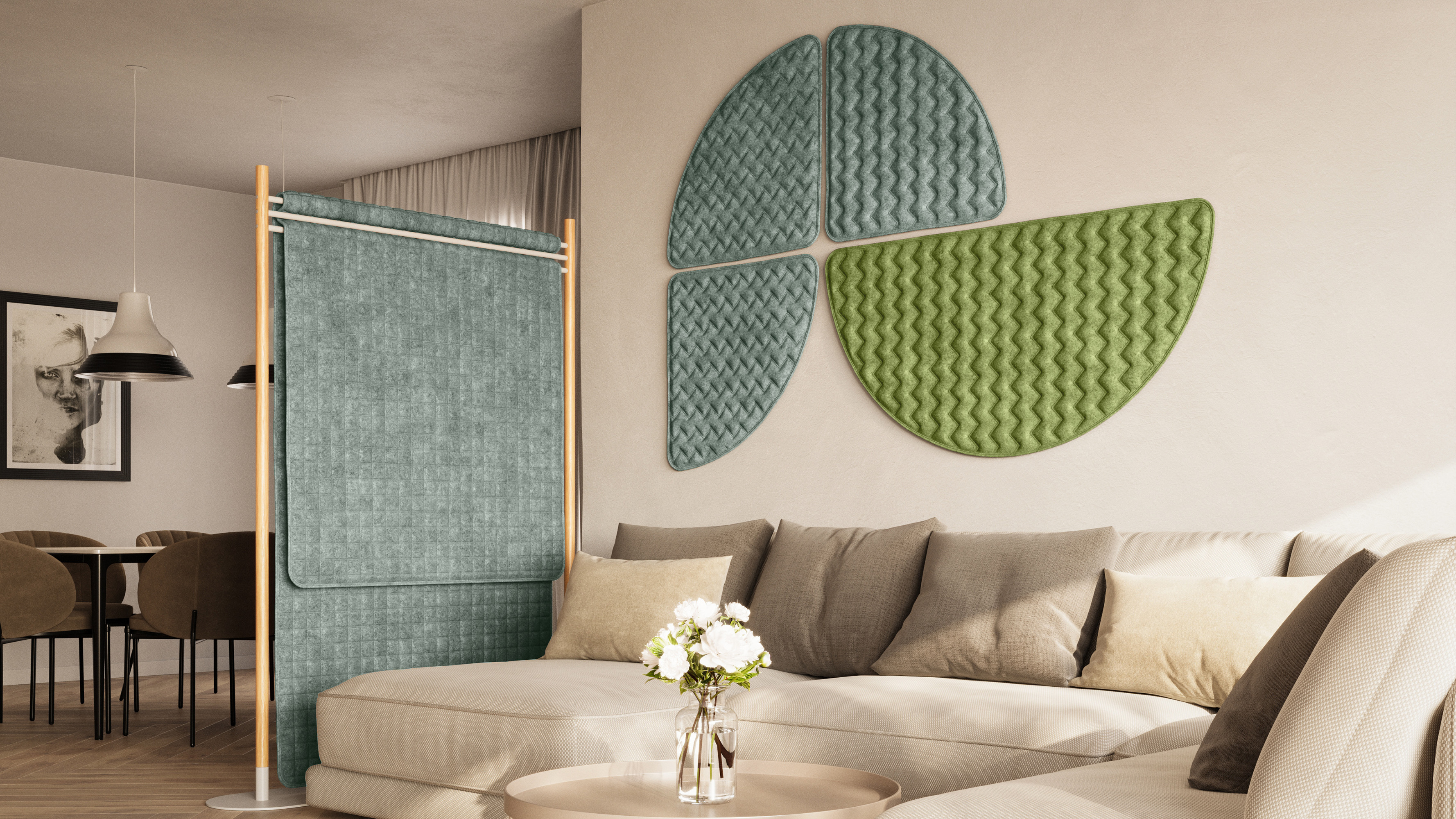
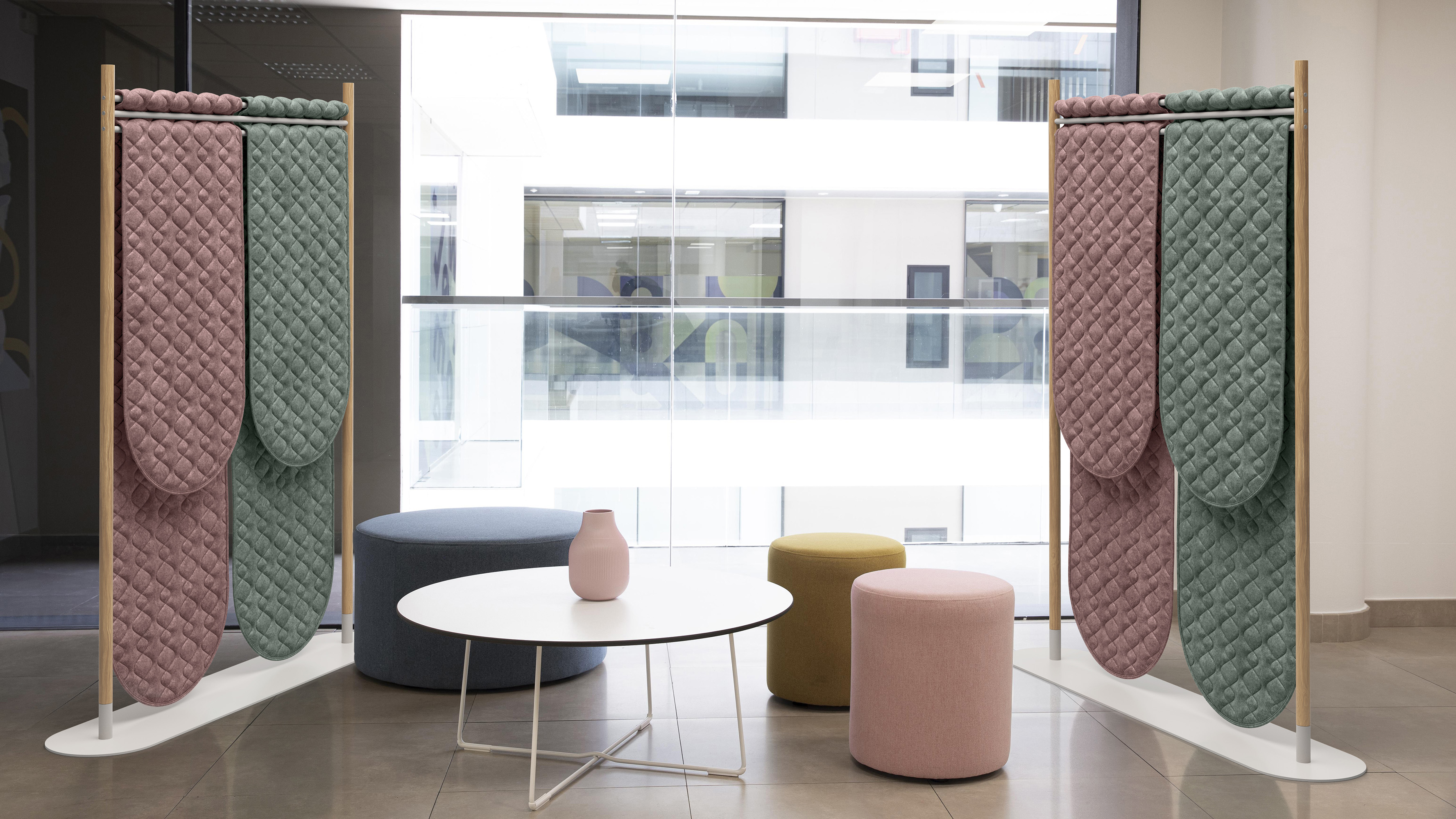
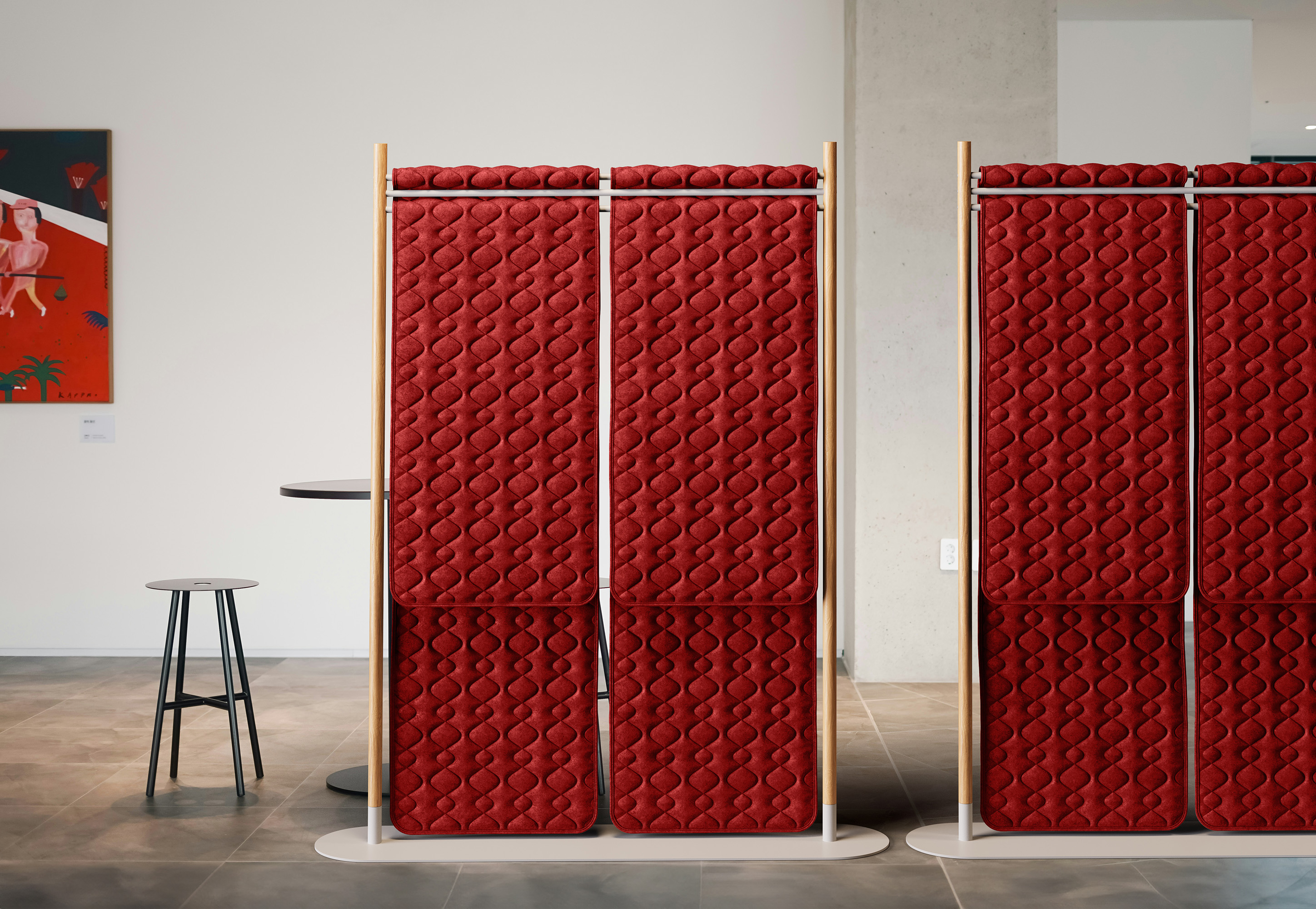
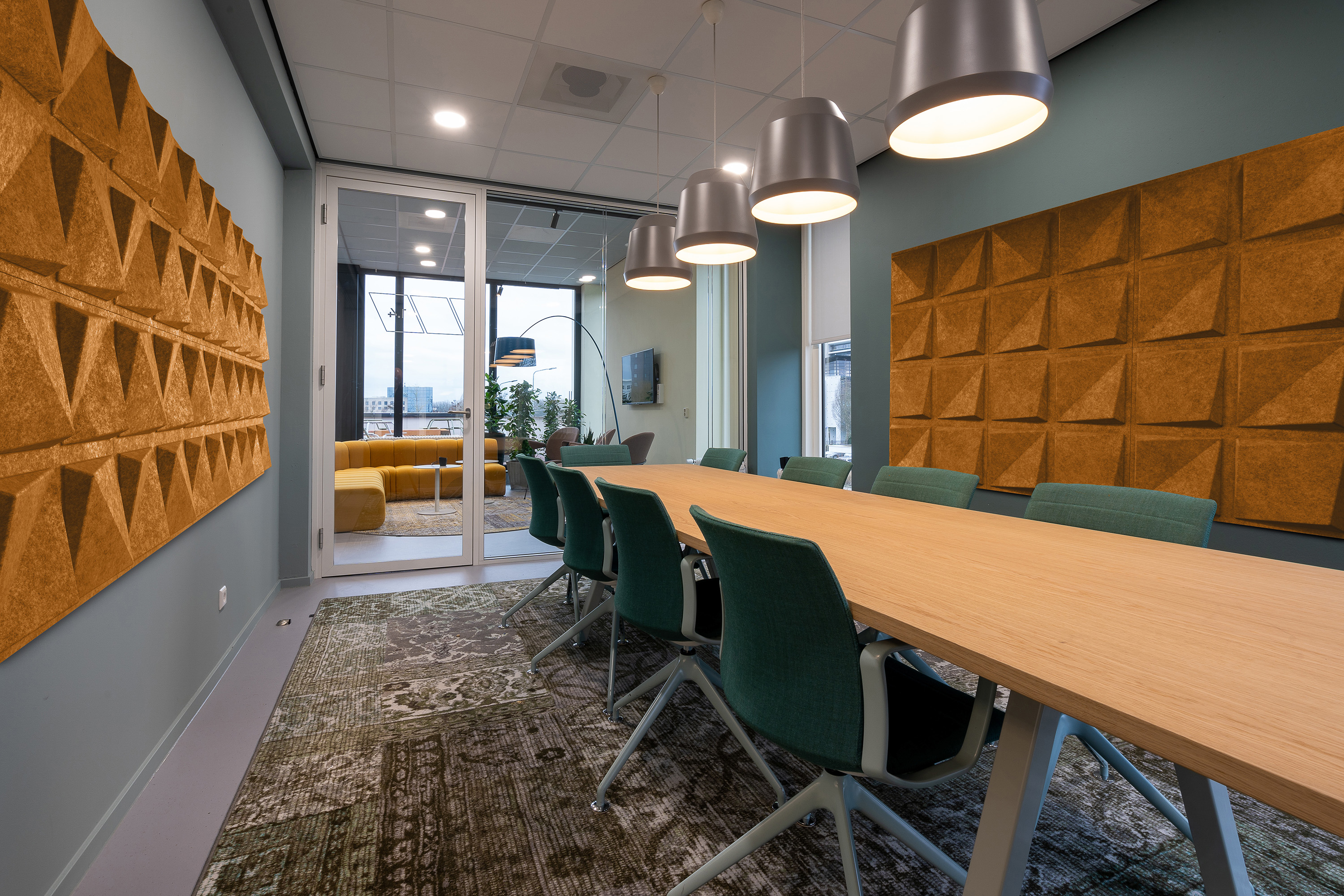
Products placed within spaces designed around them.
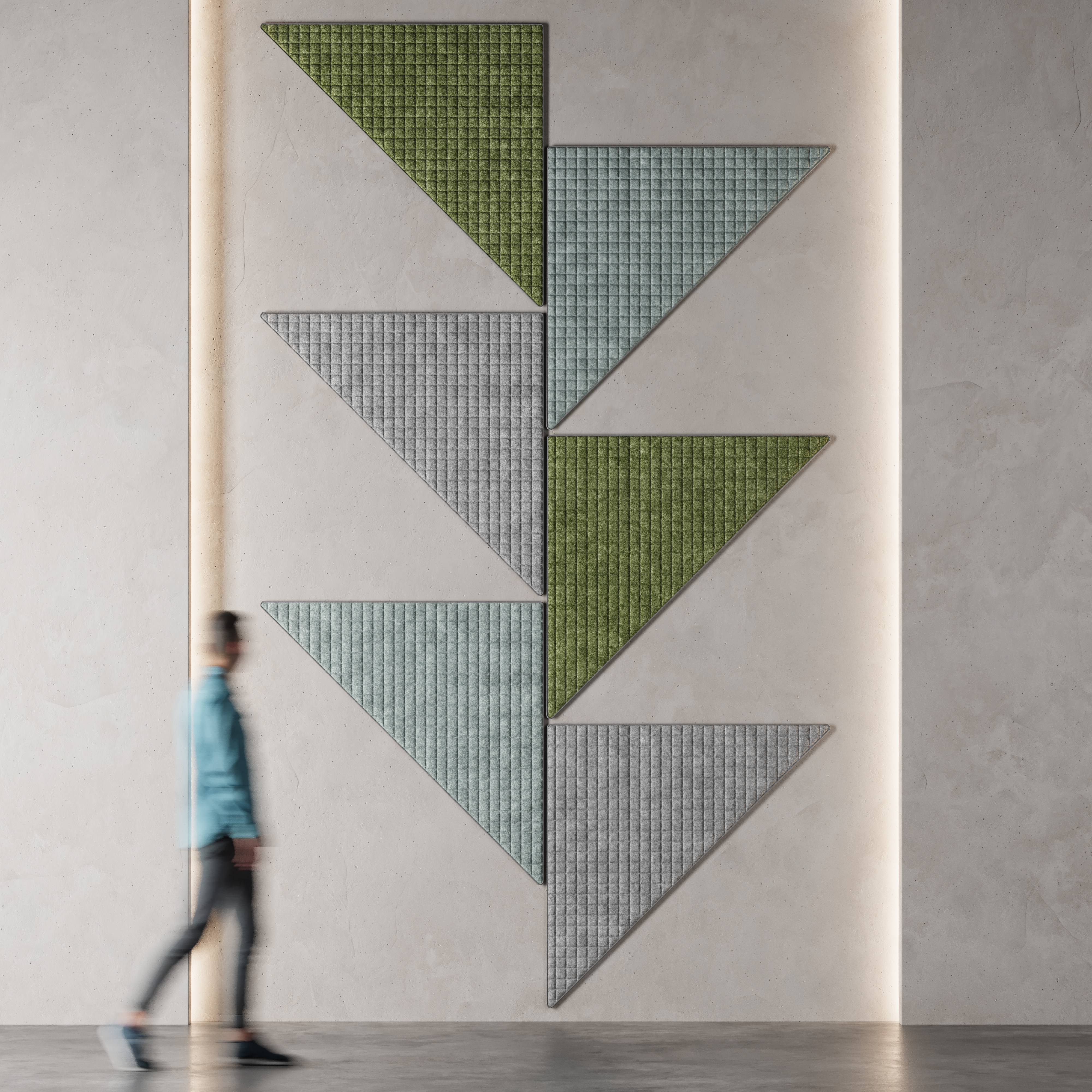
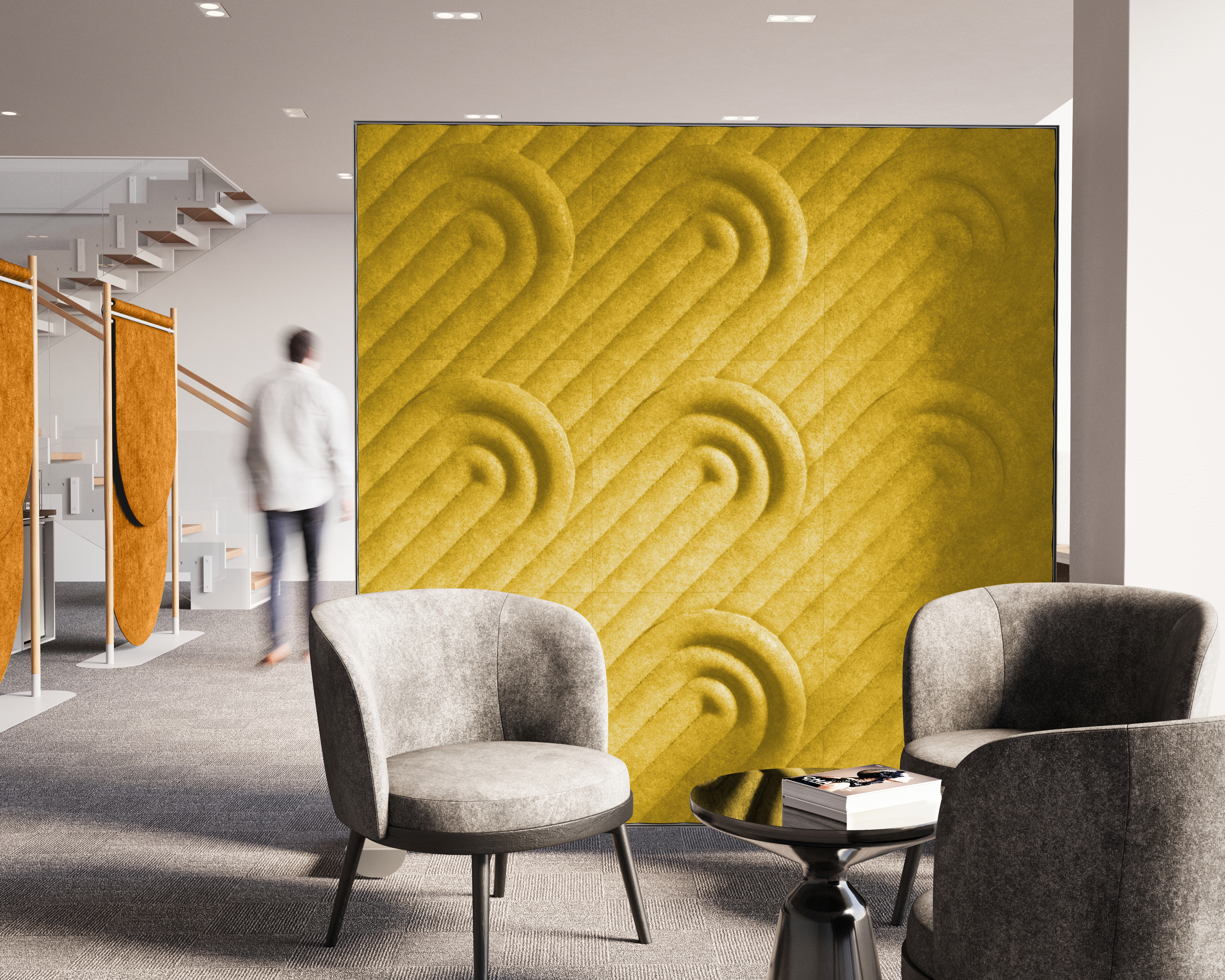
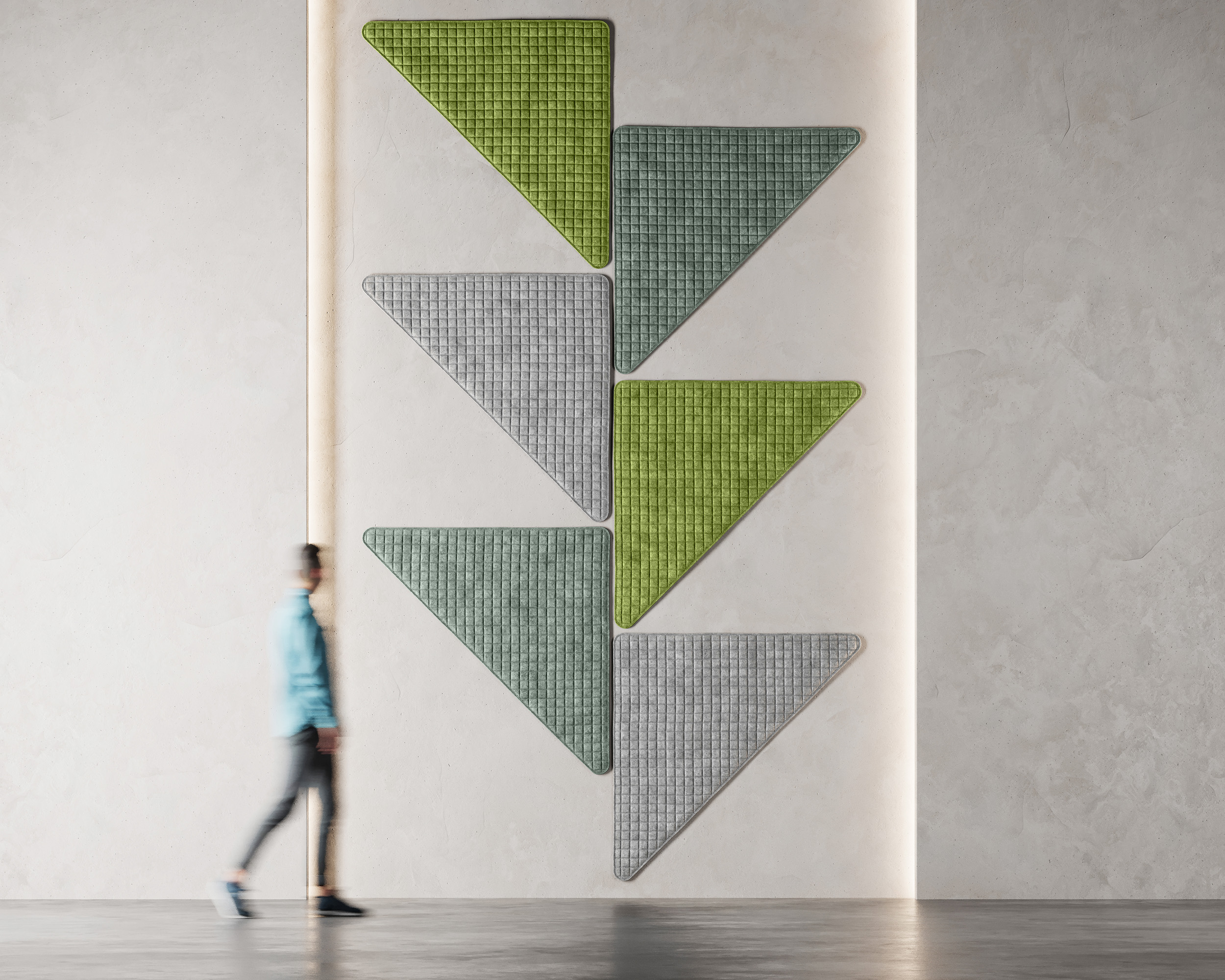
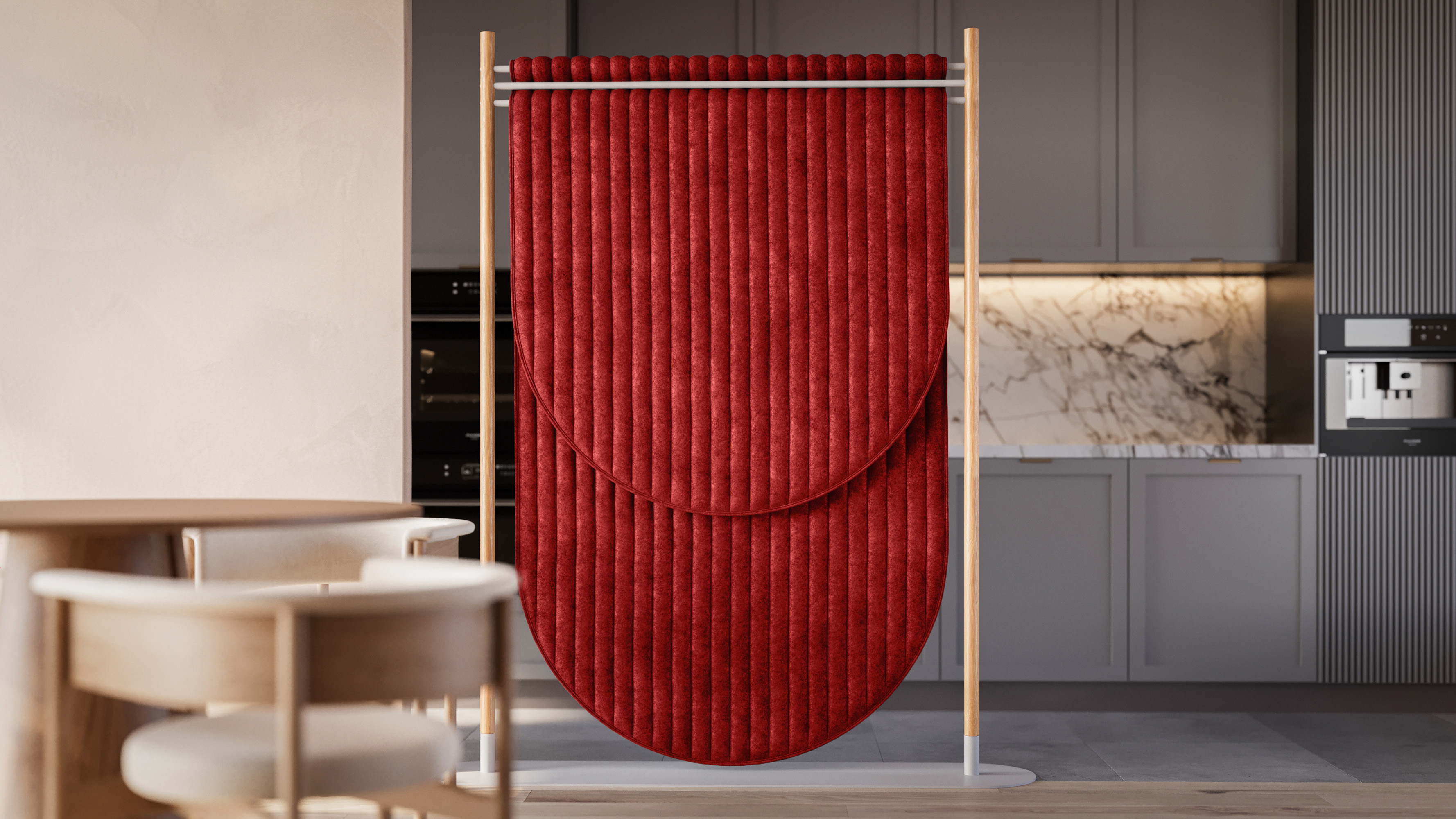
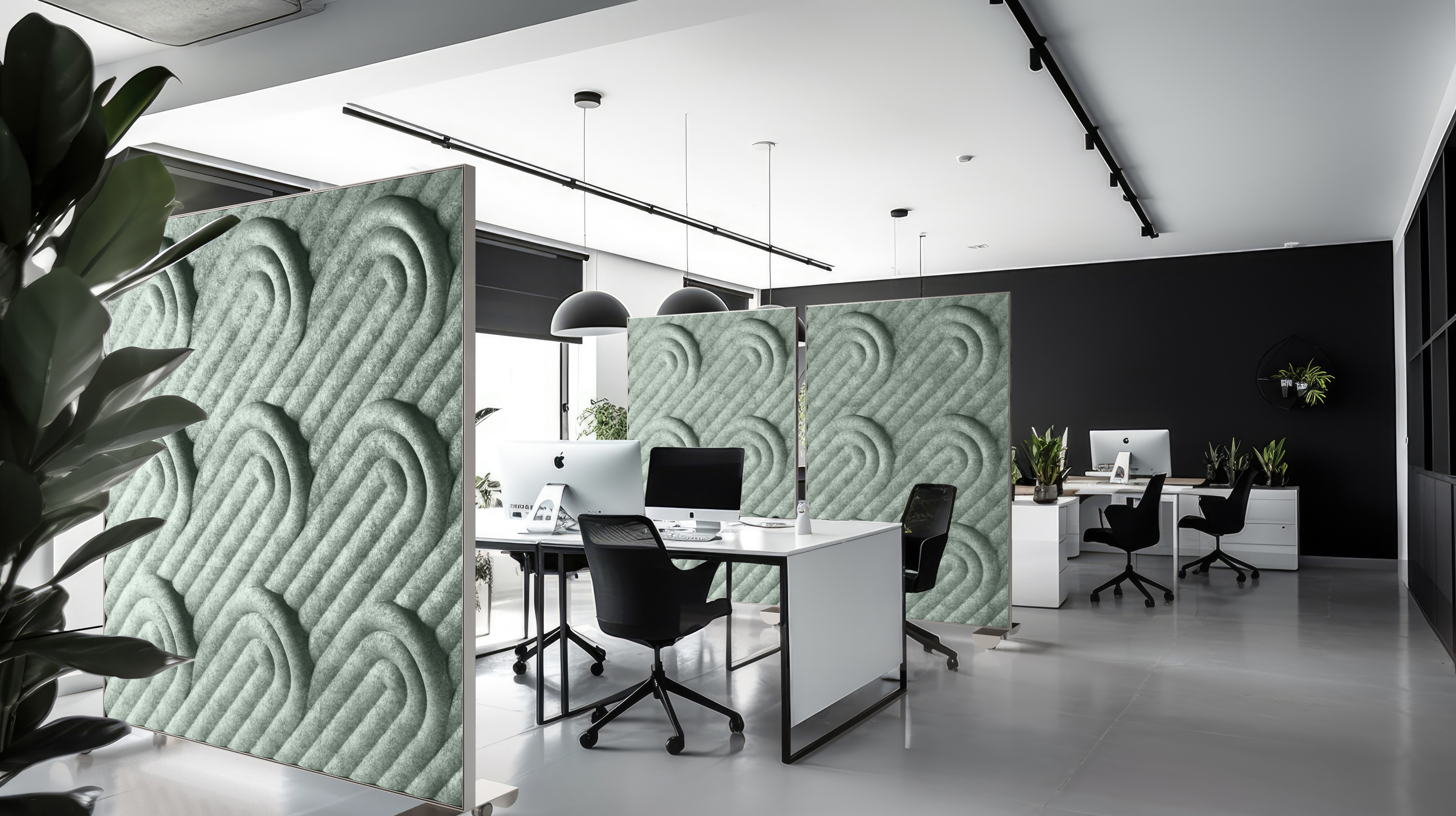
For the lifestyle imagery, complete architectural environments were designed and built in 3D around the products. Rather than treating the setting as a backdrop, each space was developed to complement the scale, color and character of the acoustic elements while showing how they could function within real interiors.
Composite Lifestyle Renders


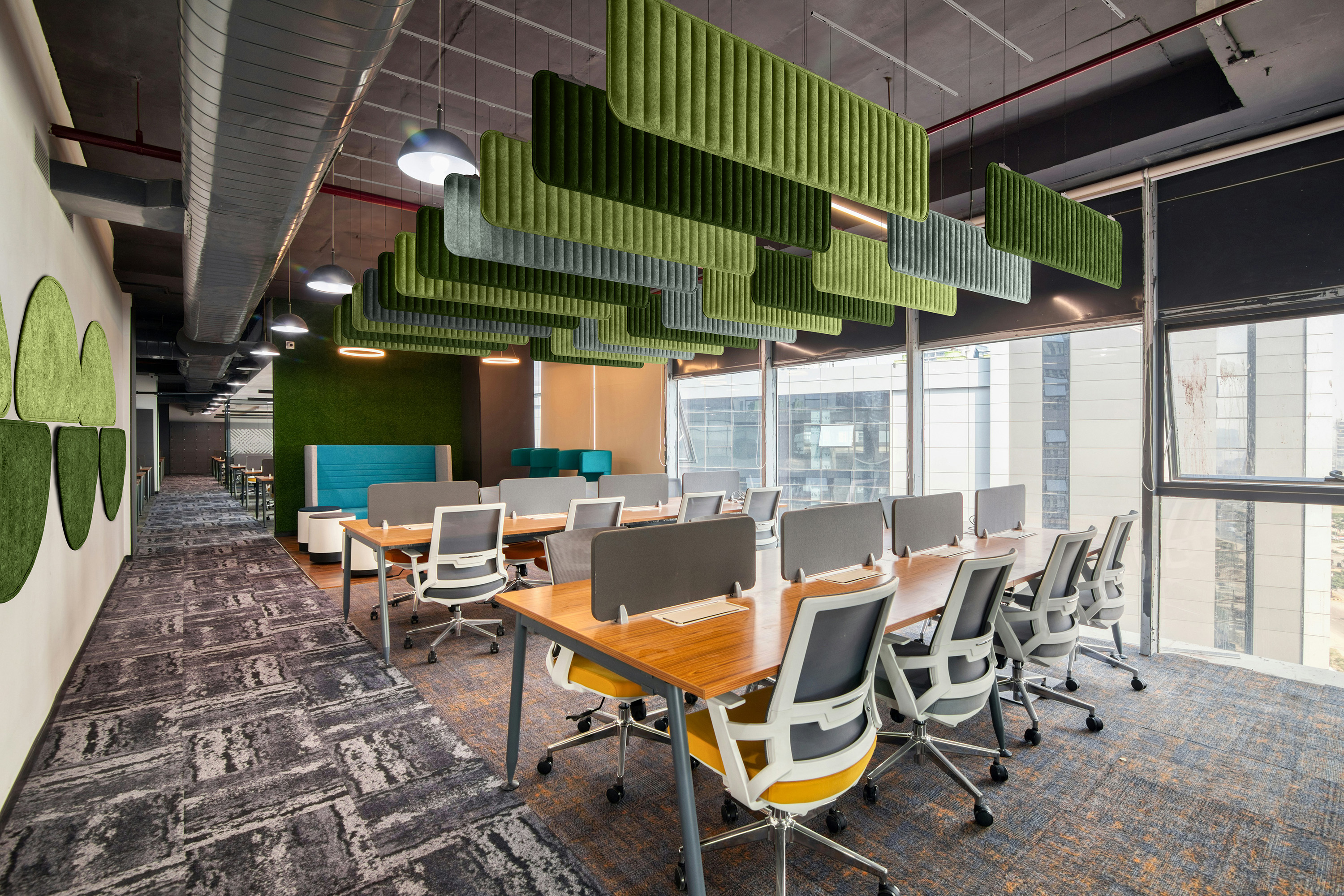
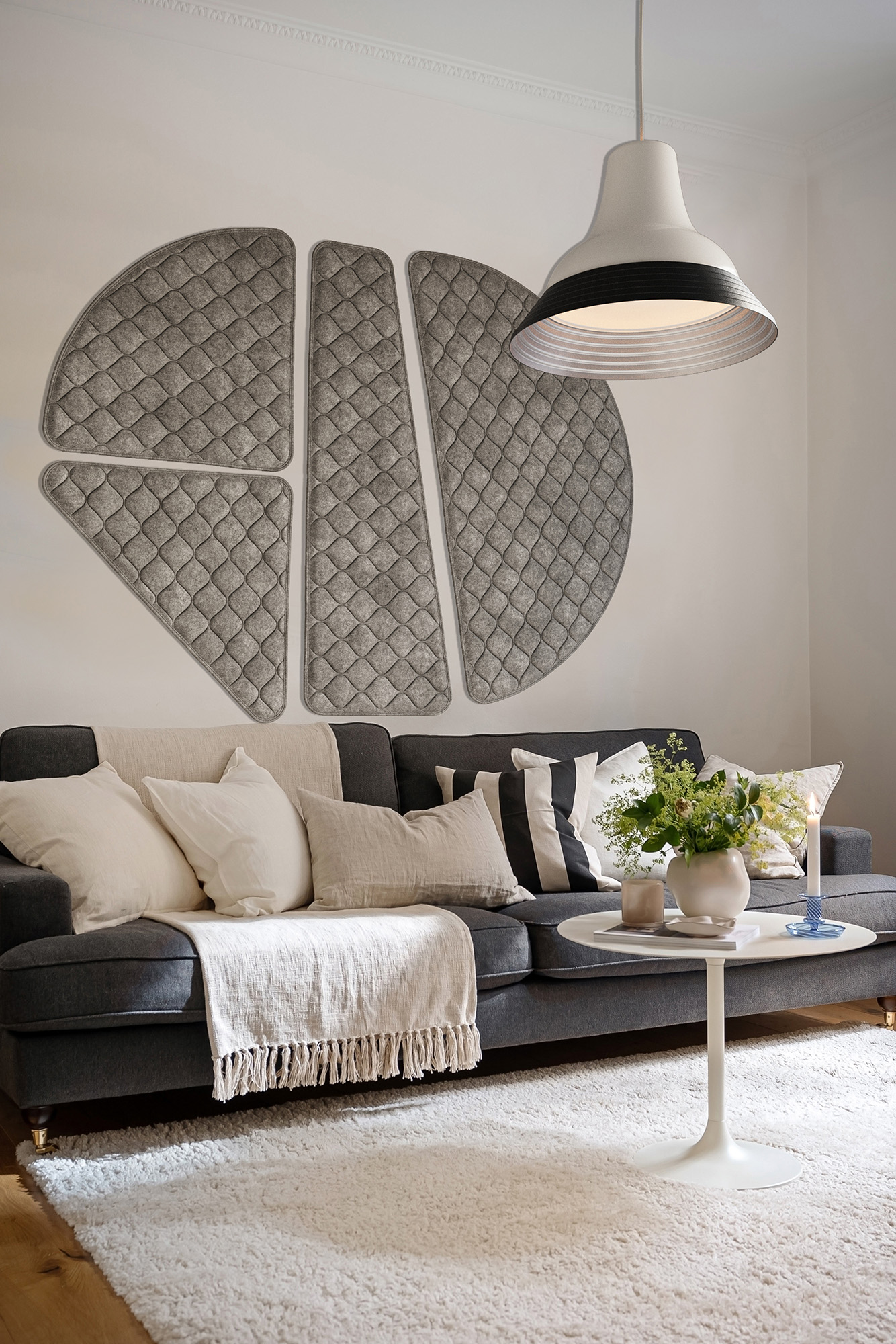
Bringing 3D products into photography.
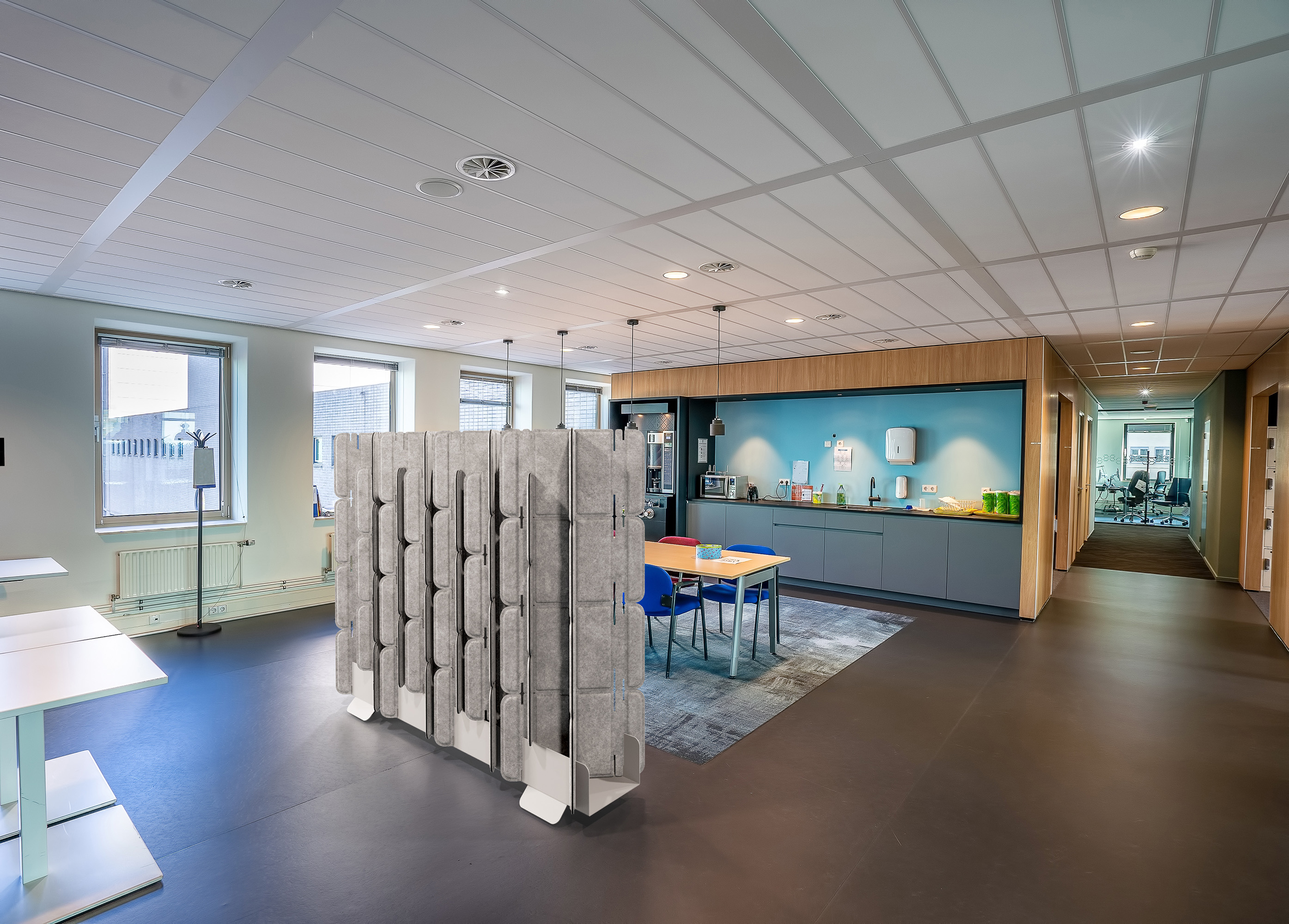
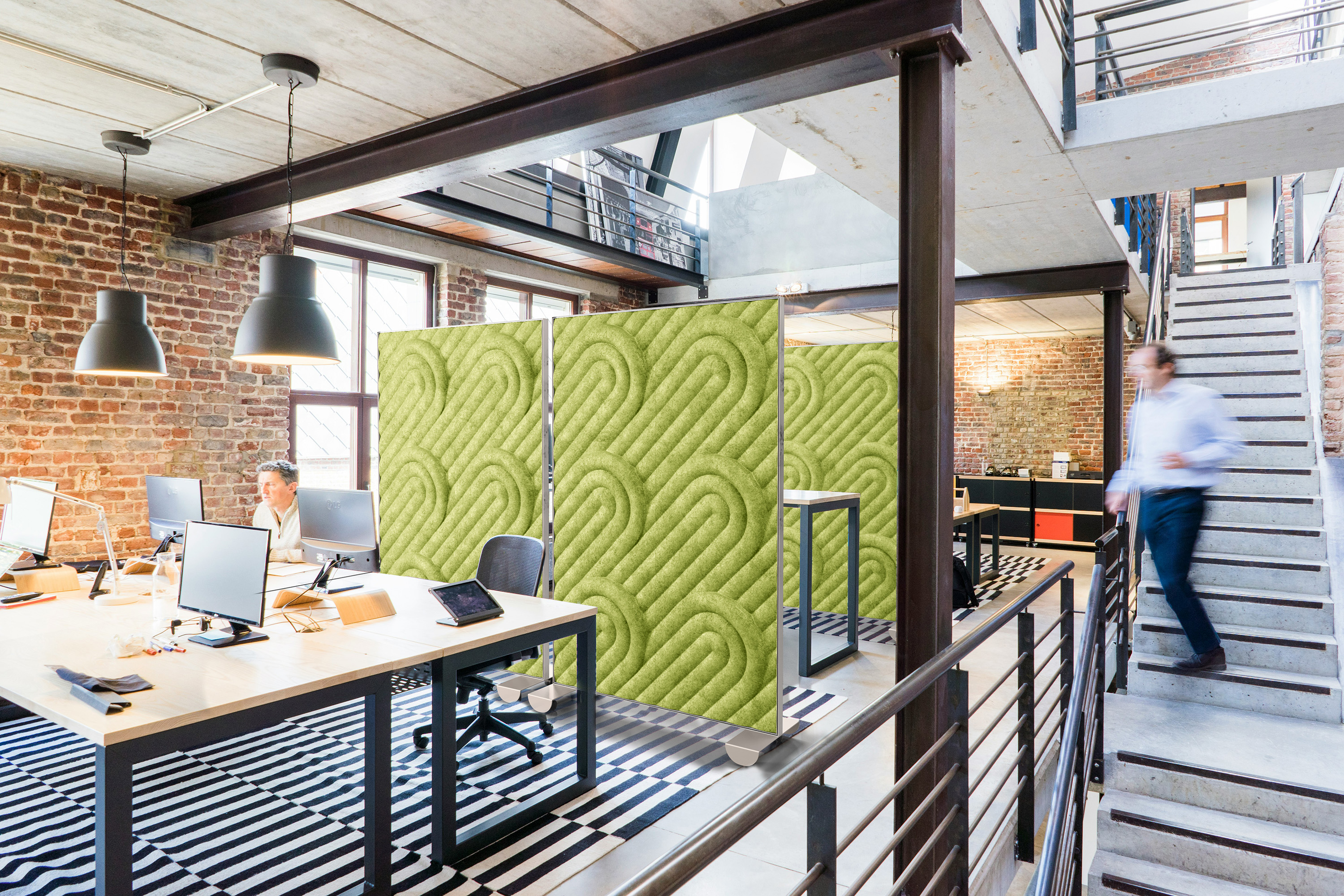
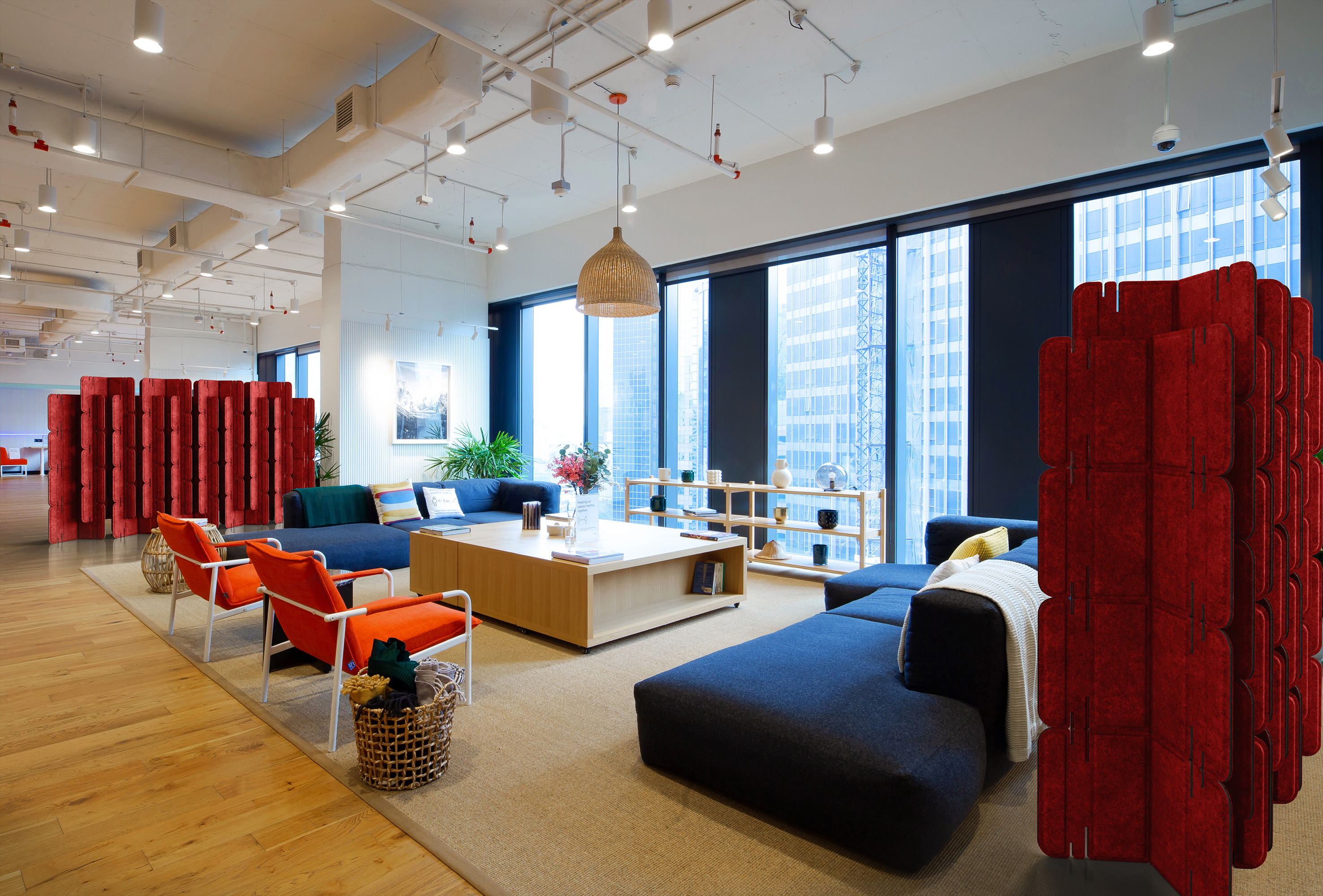
A second approach combined rendered products with existing photographic environments. Matching perspective, light, material response and contact shadows allowed the products to sit naturally within the photographs, creating realistic lifestyle imagery without requiring a new photoshoot for every product, configuration or color variation.
White-background renders



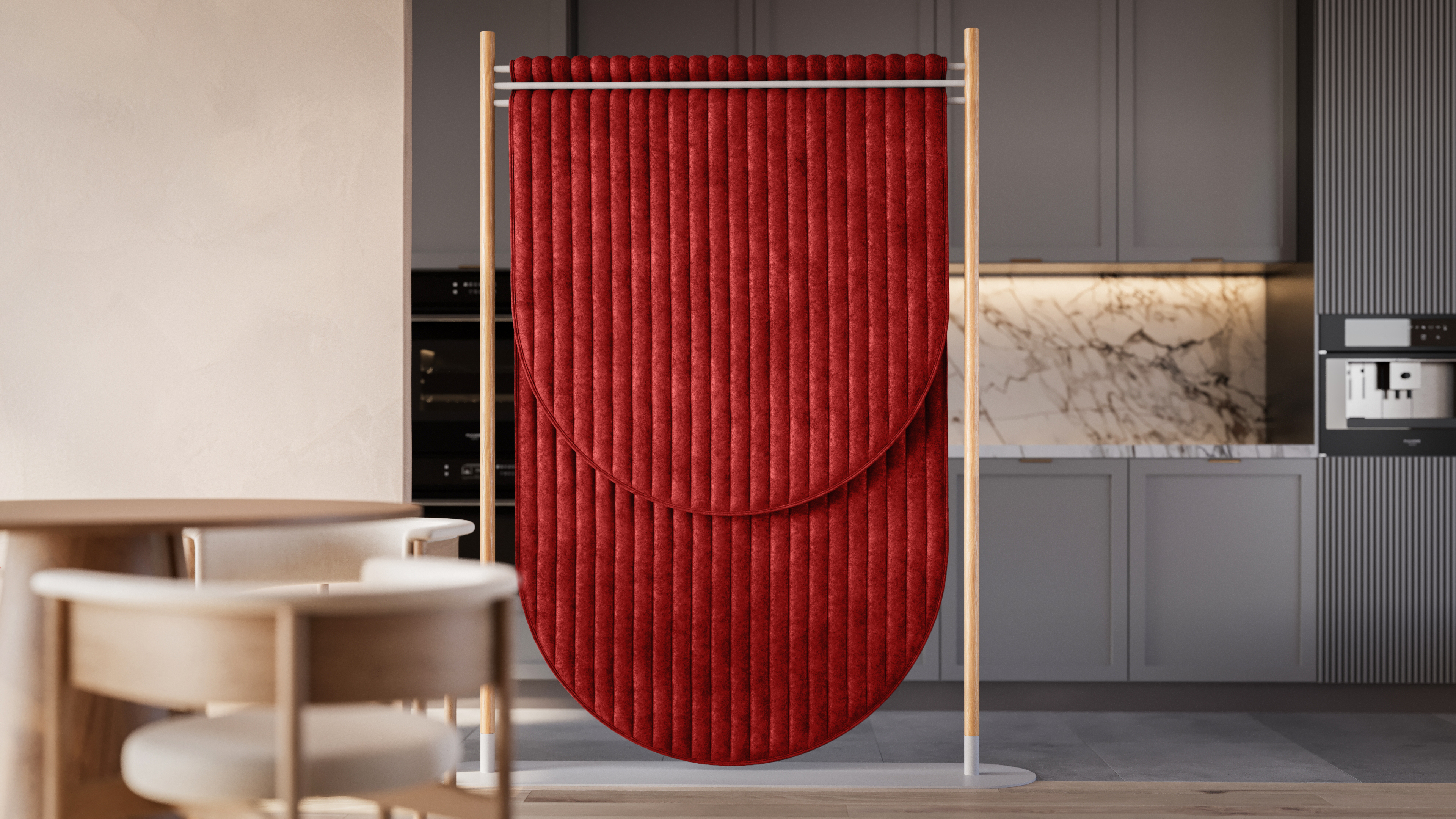






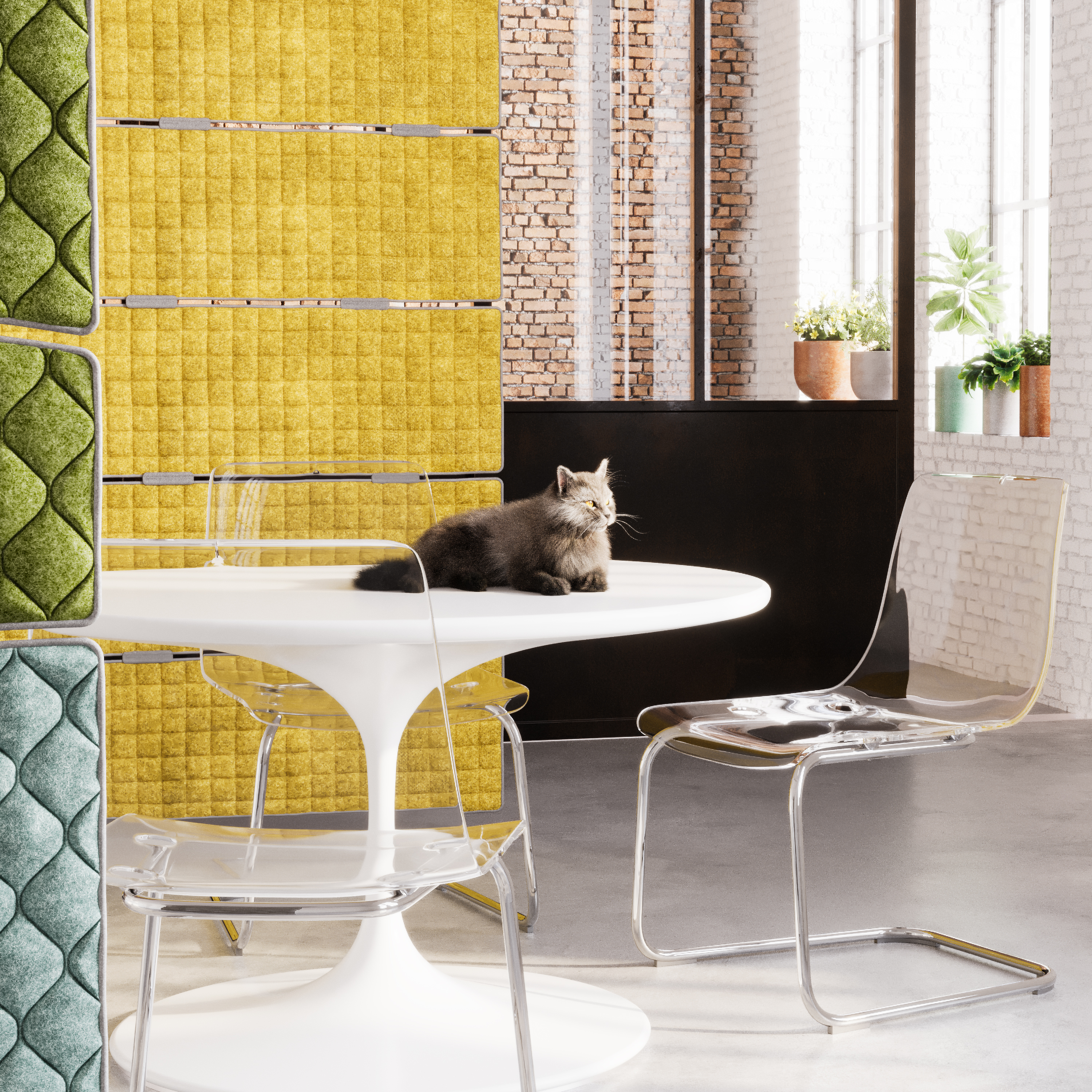
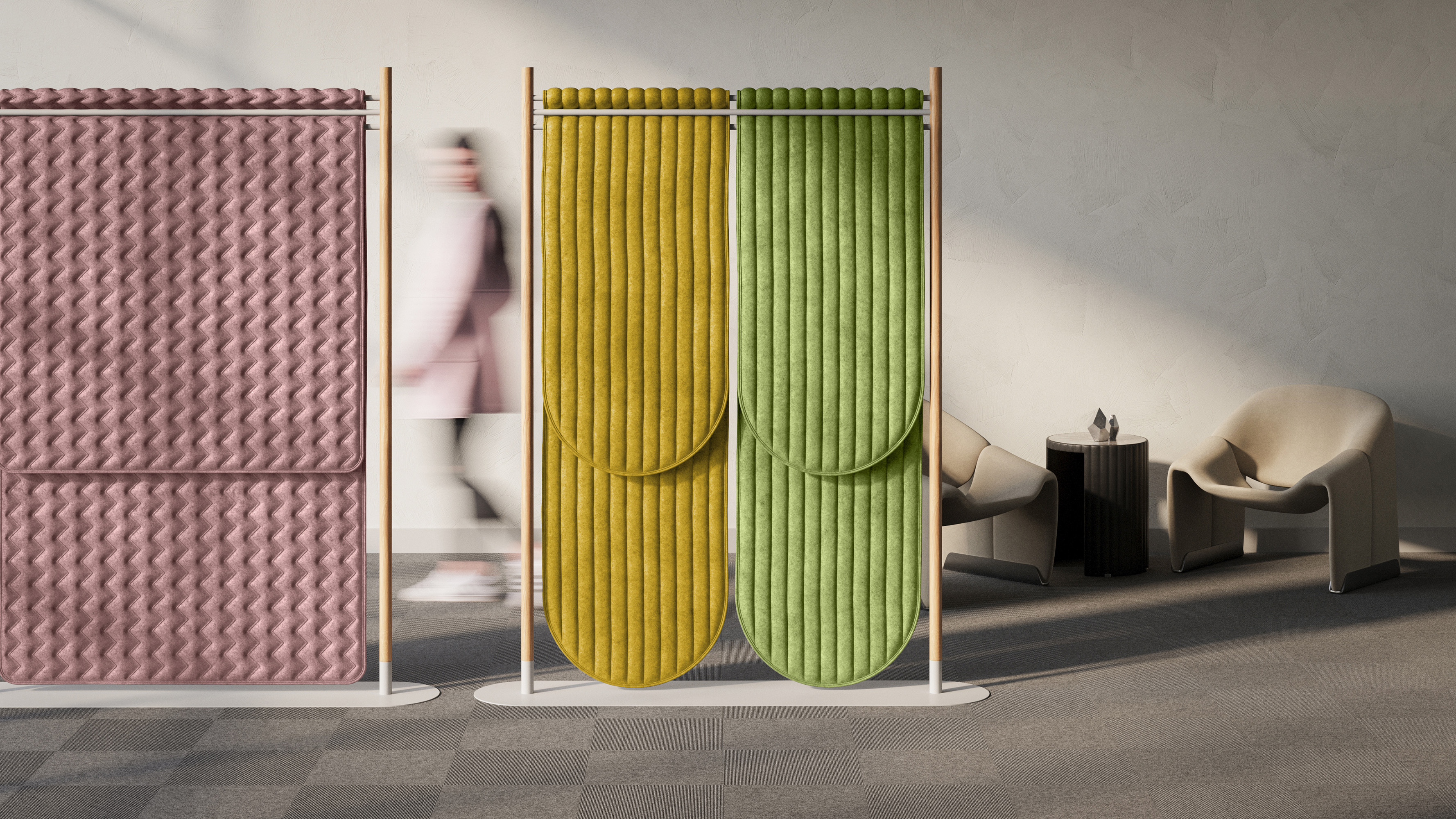
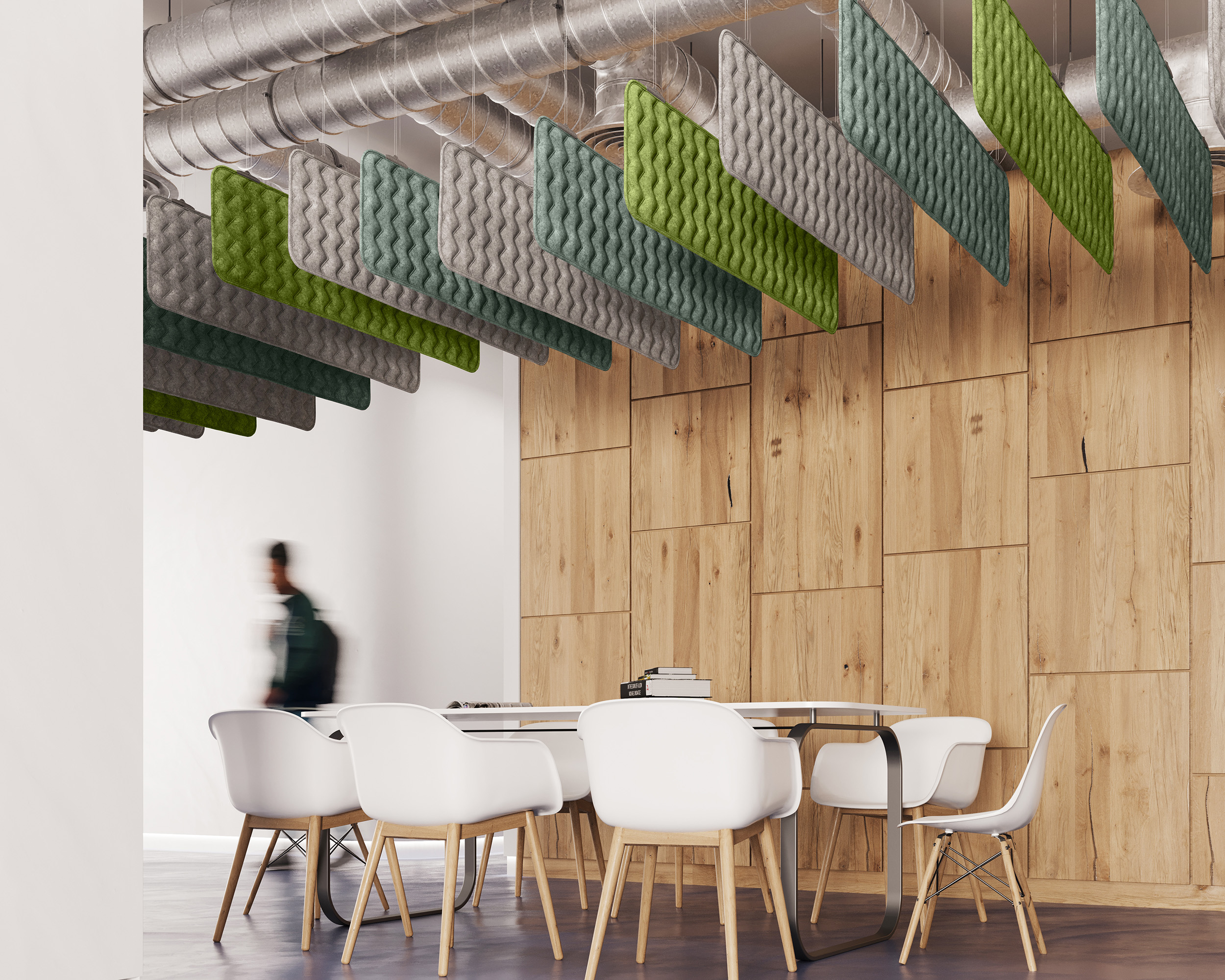
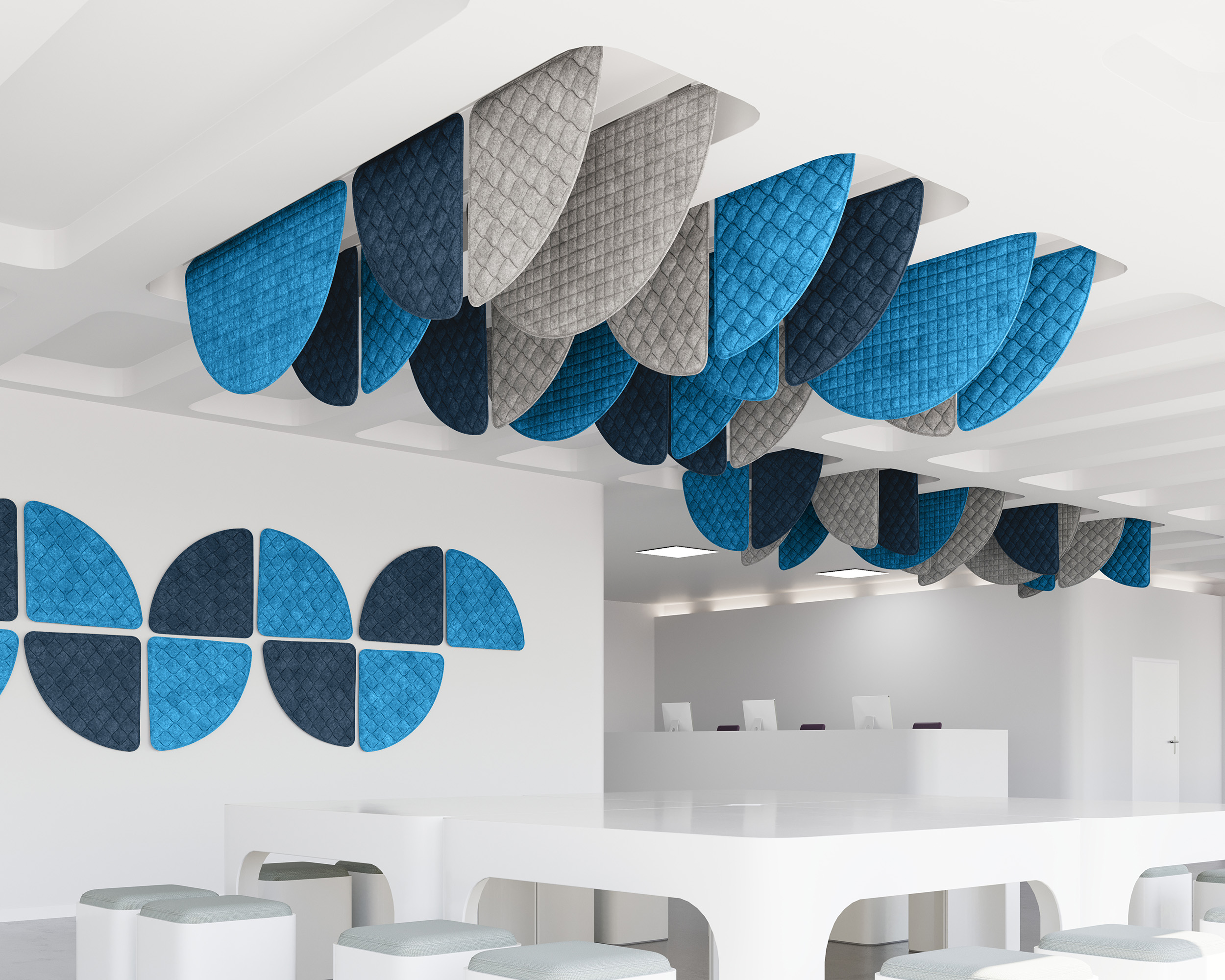
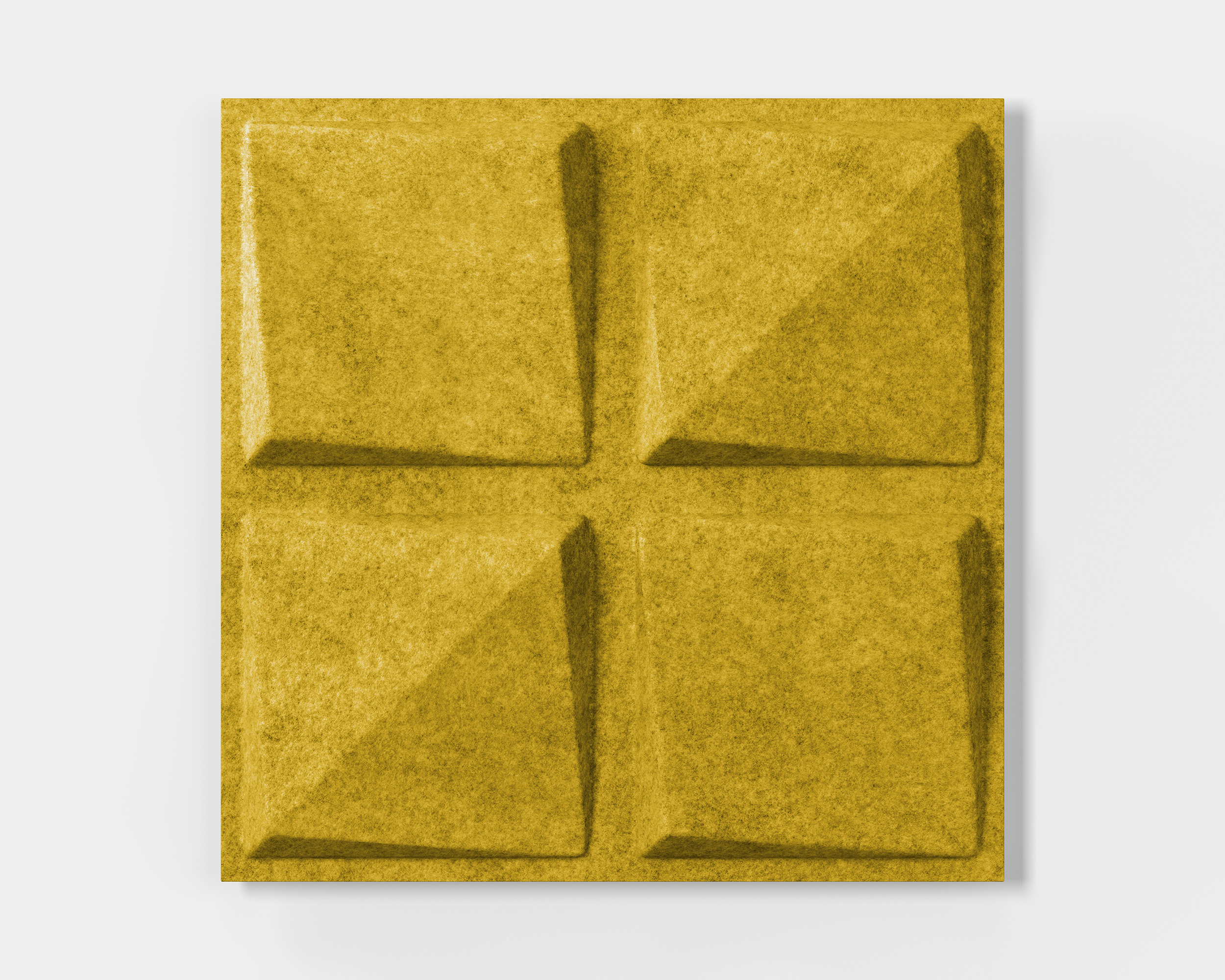
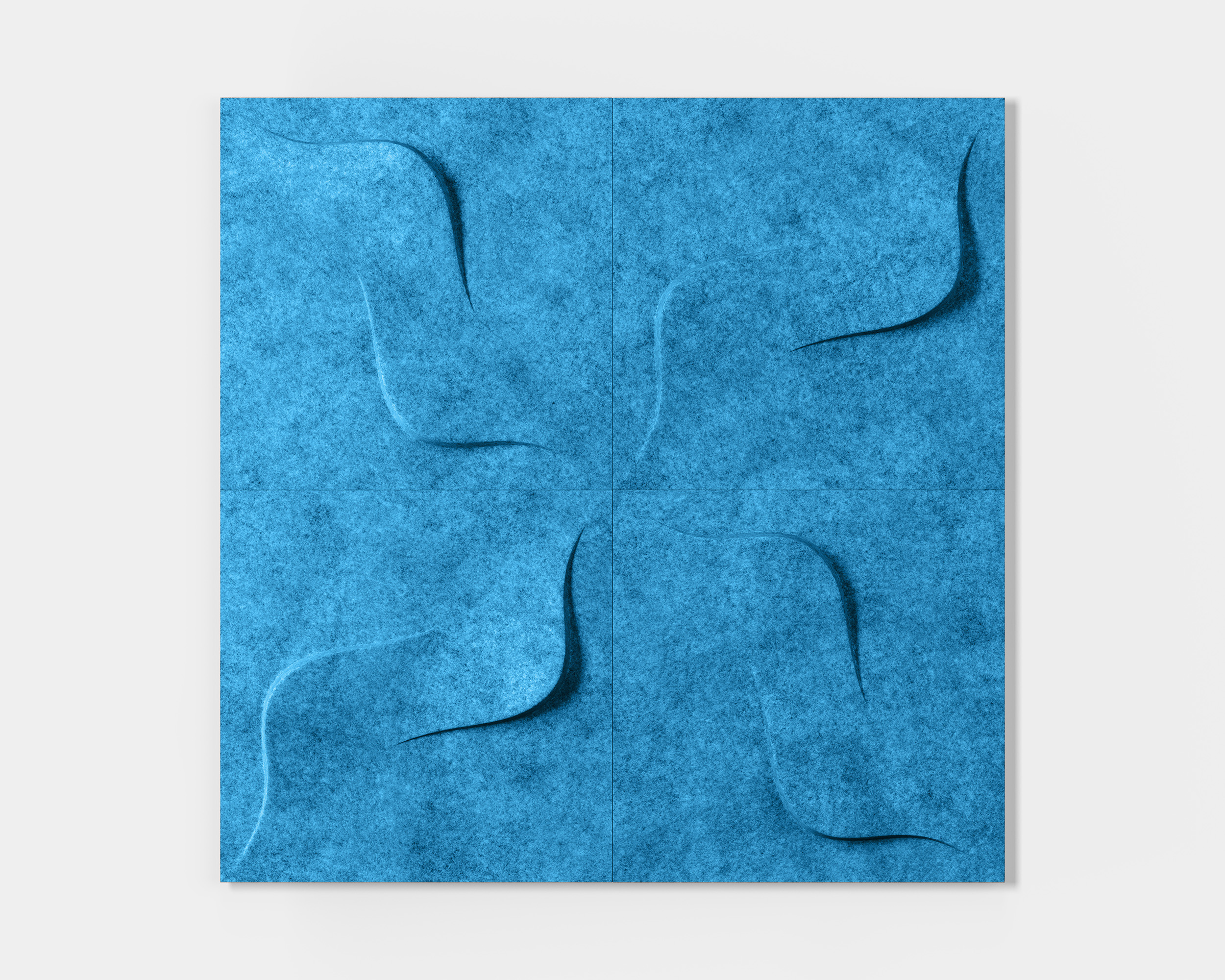
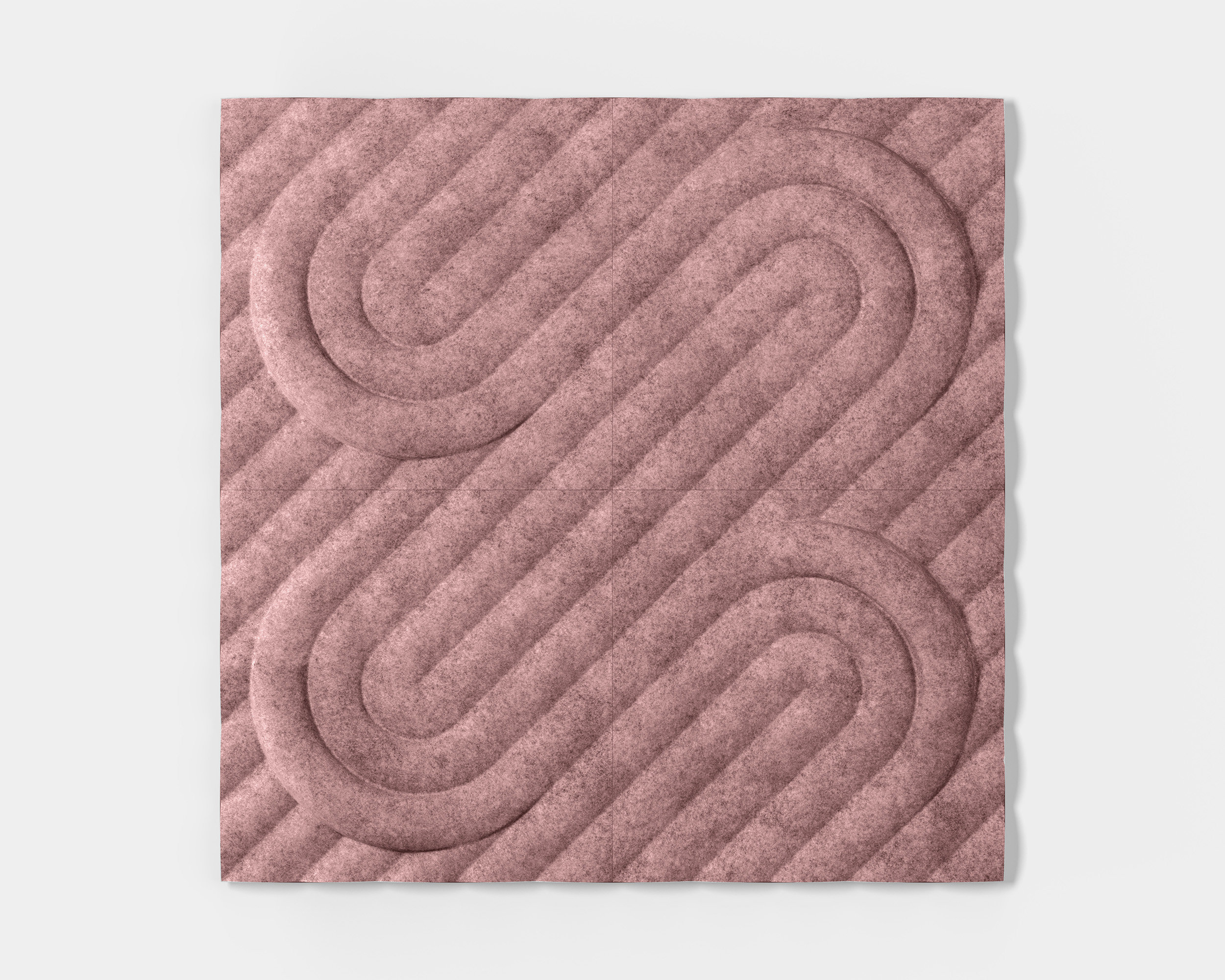
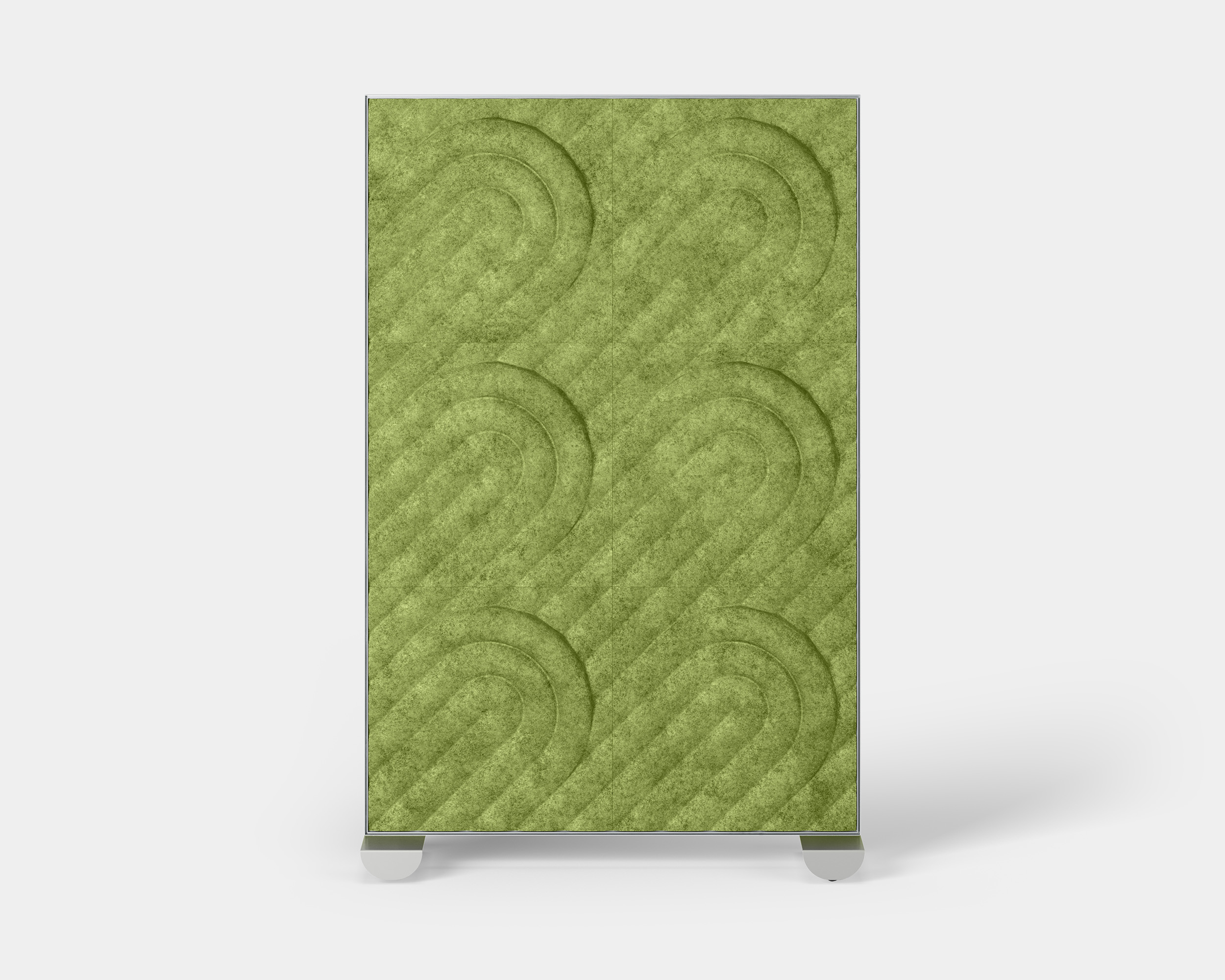
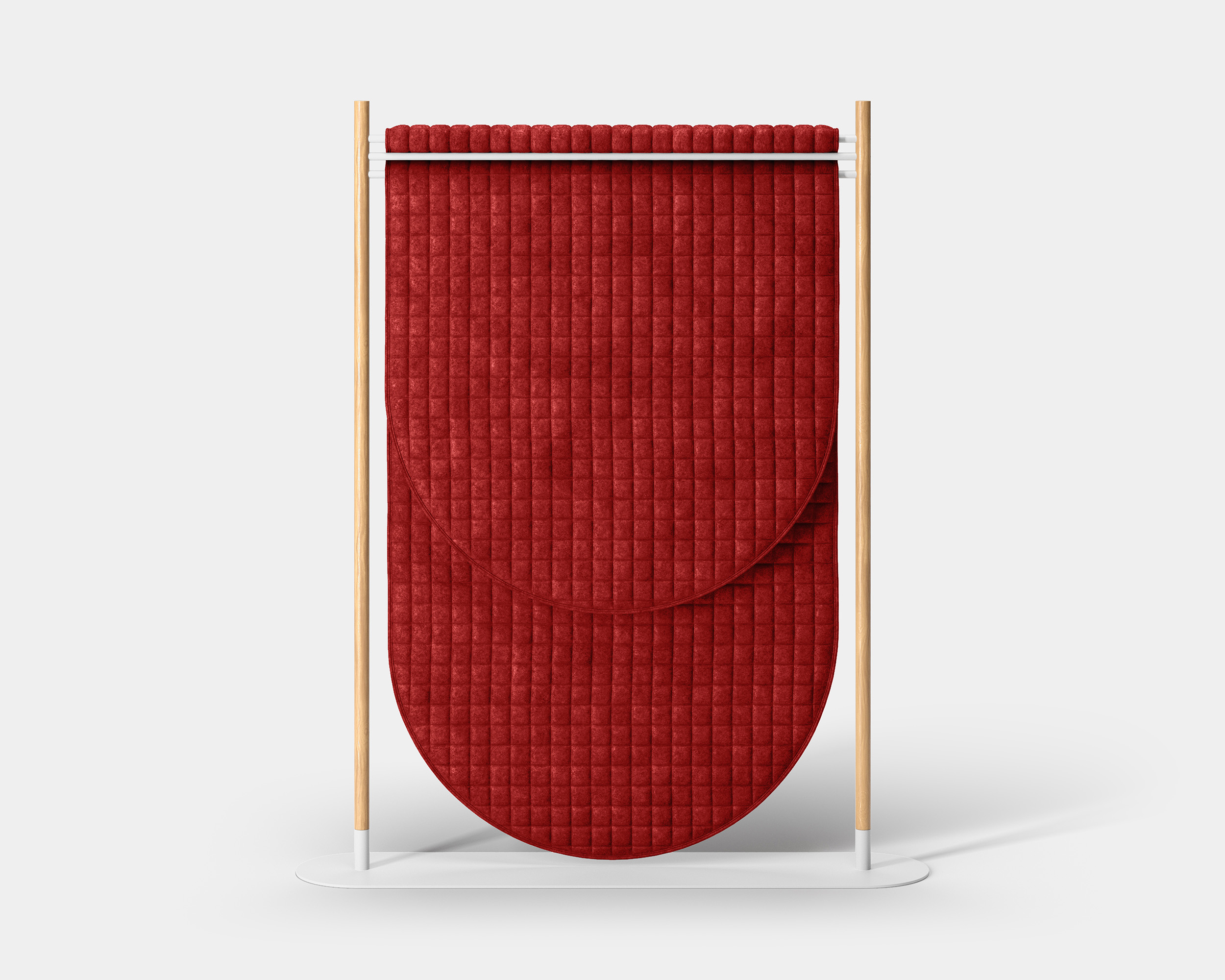
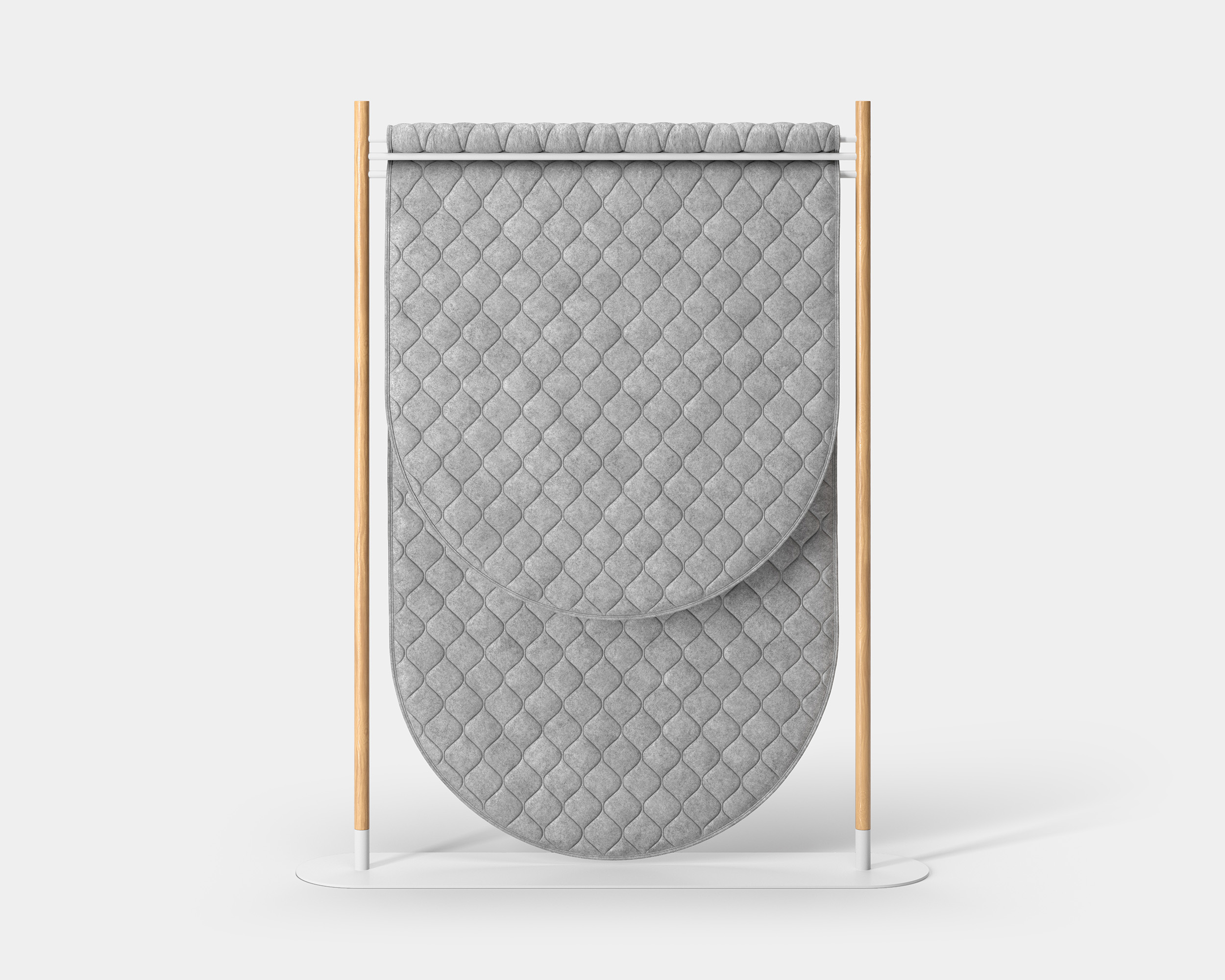
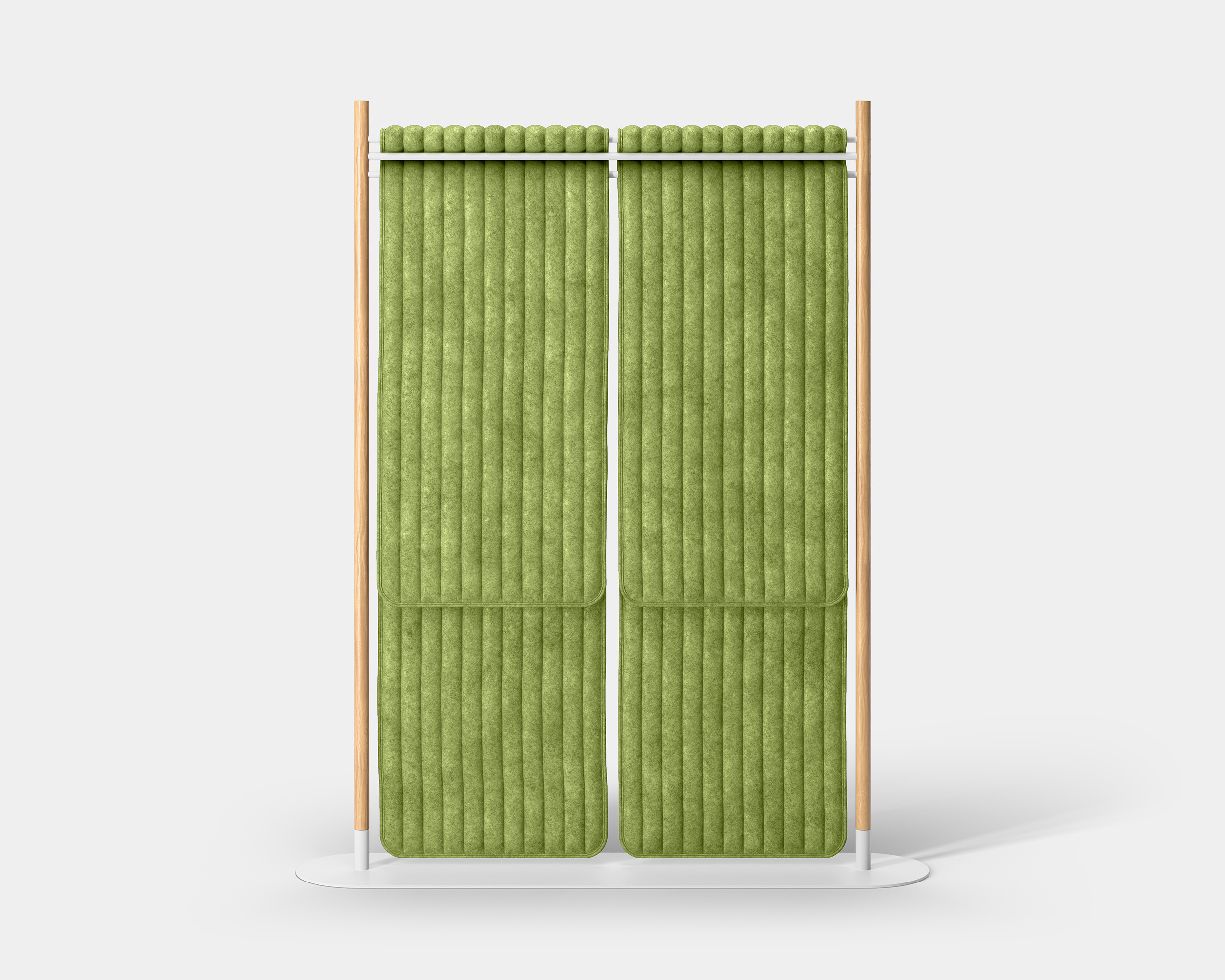
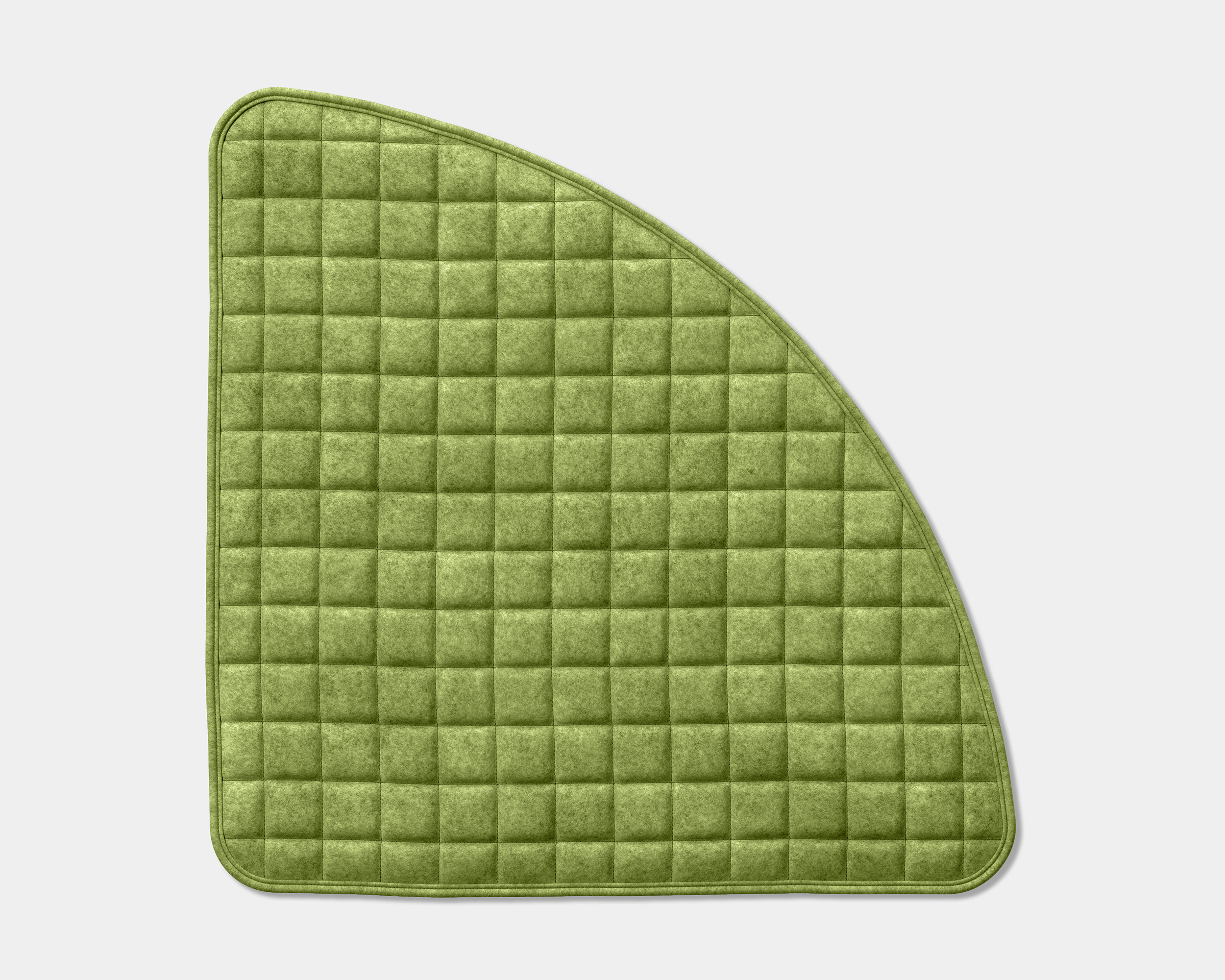
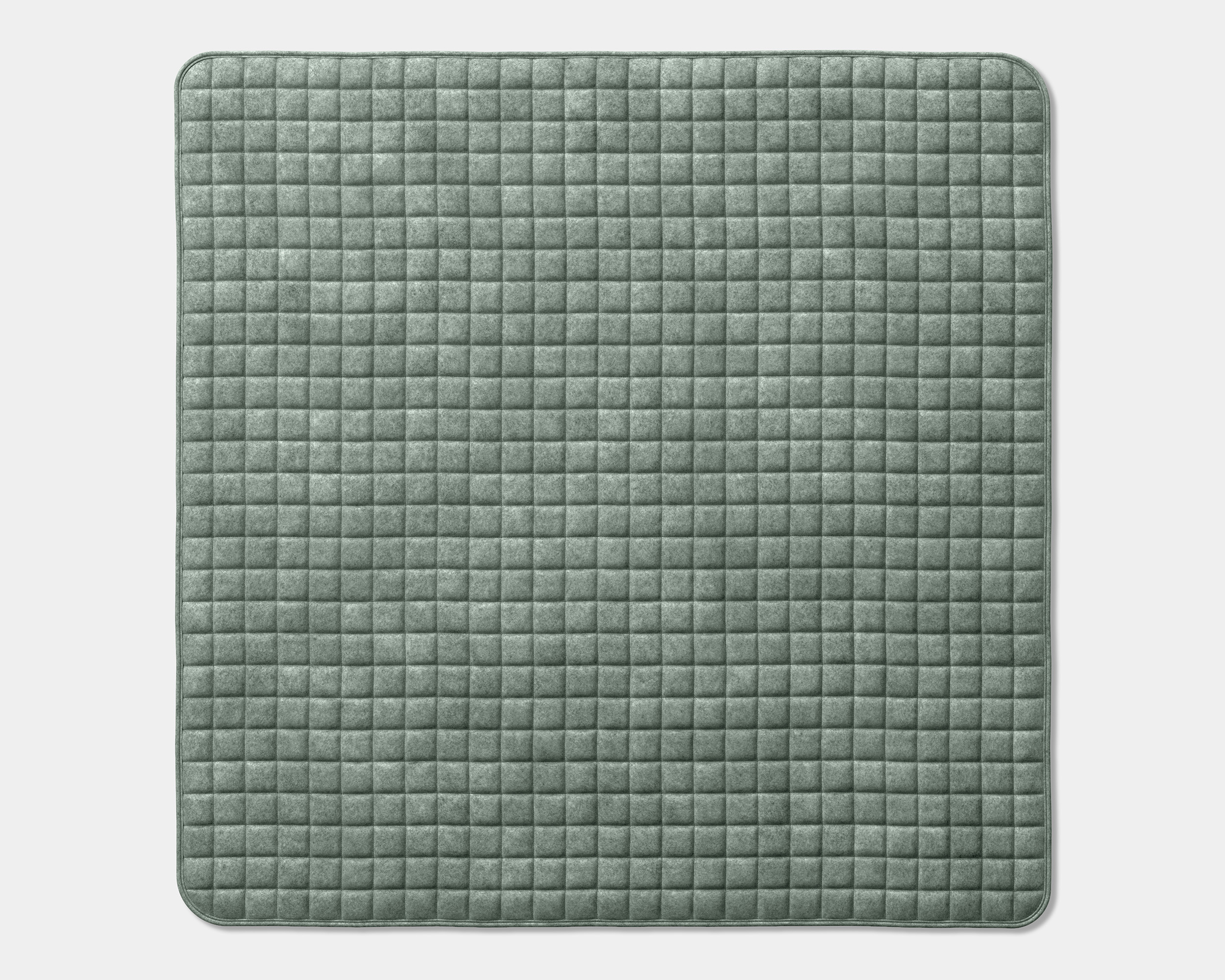
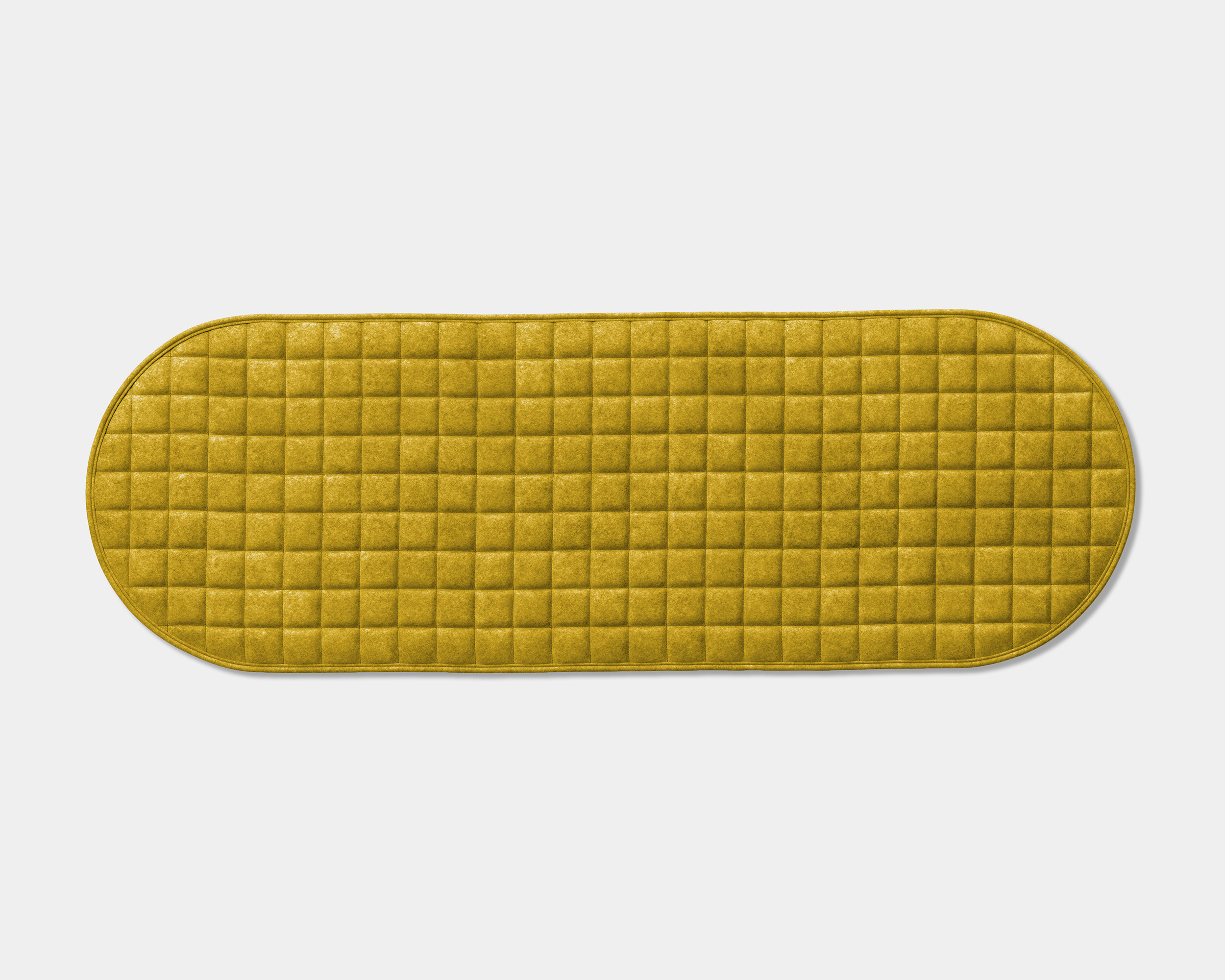
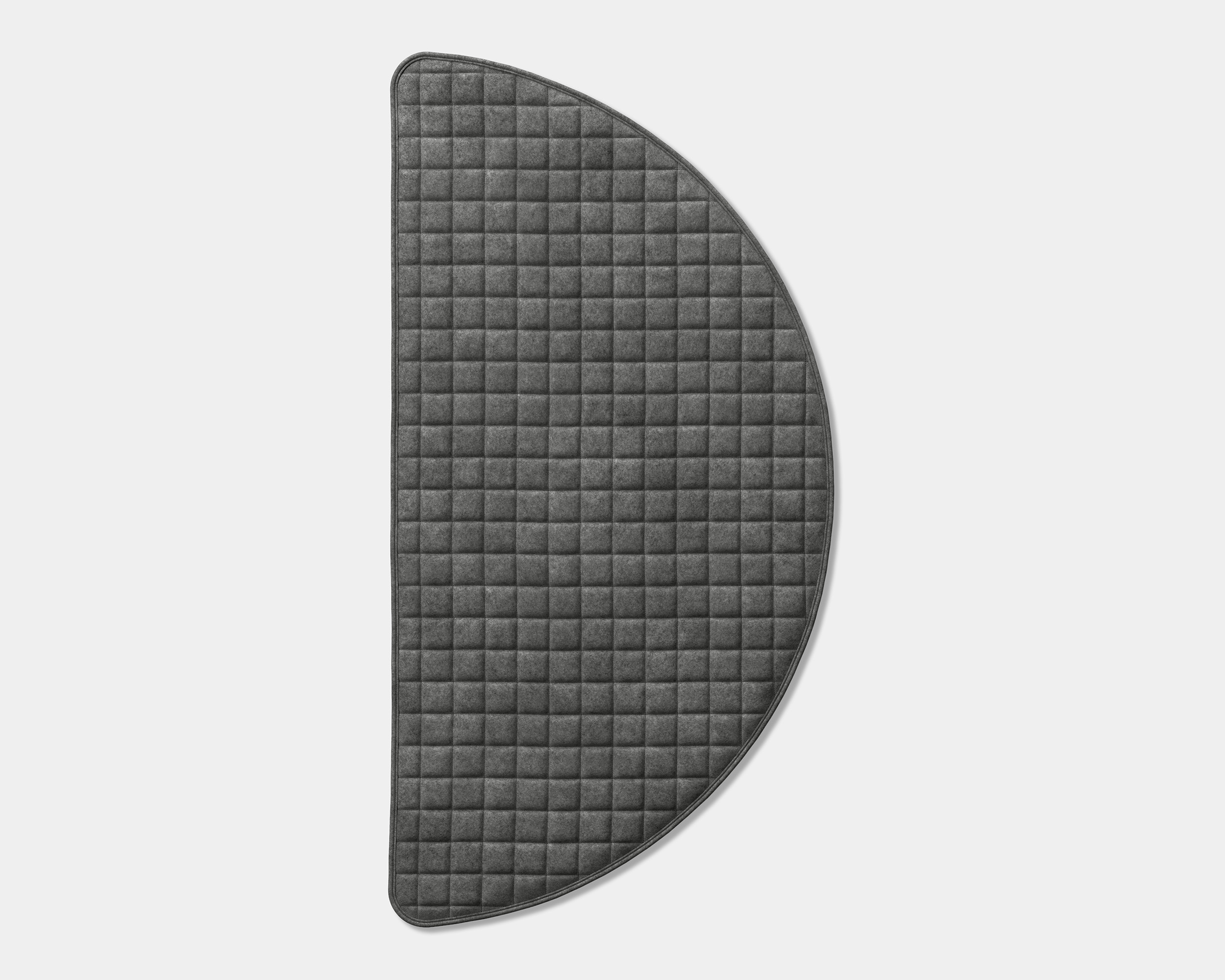
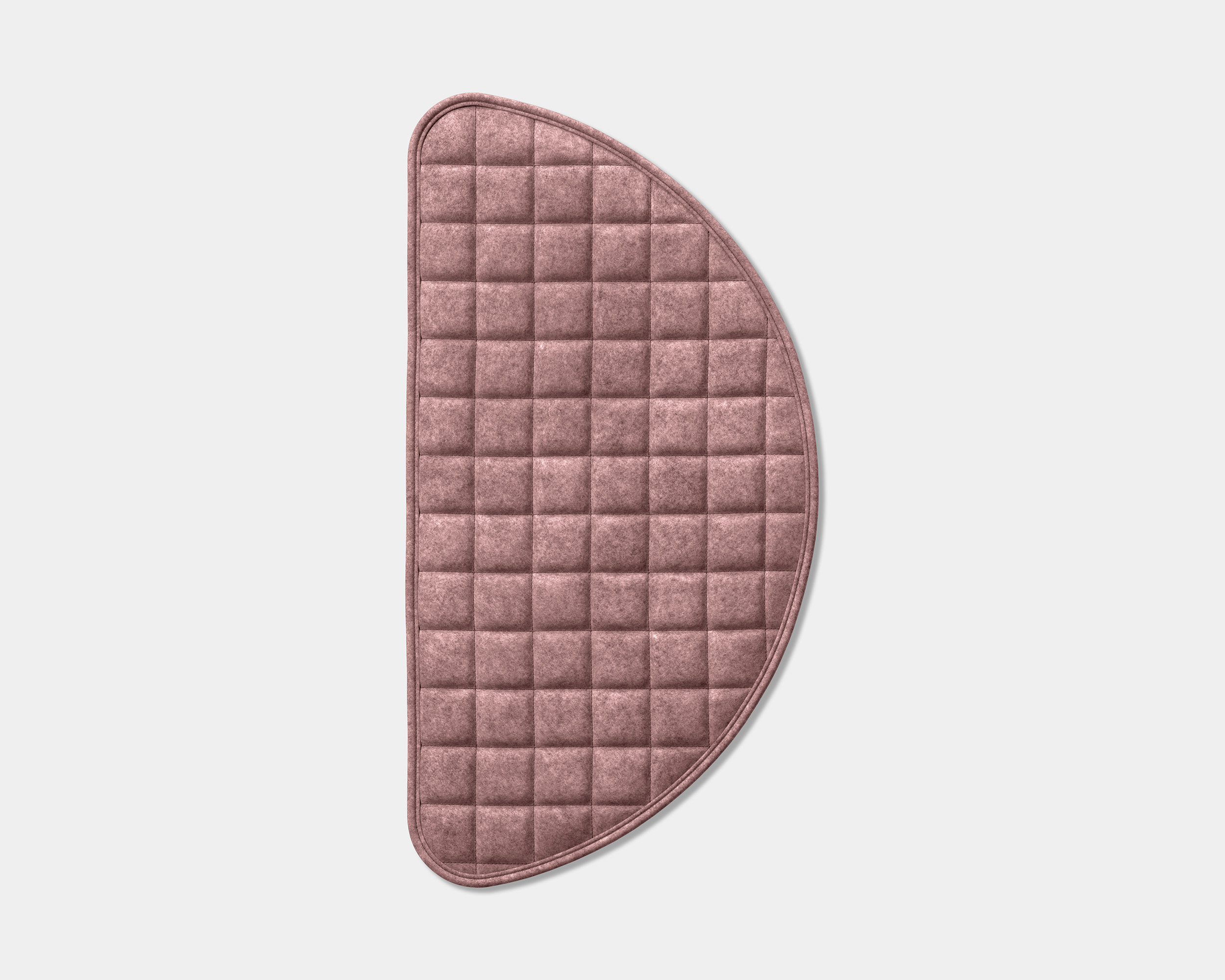
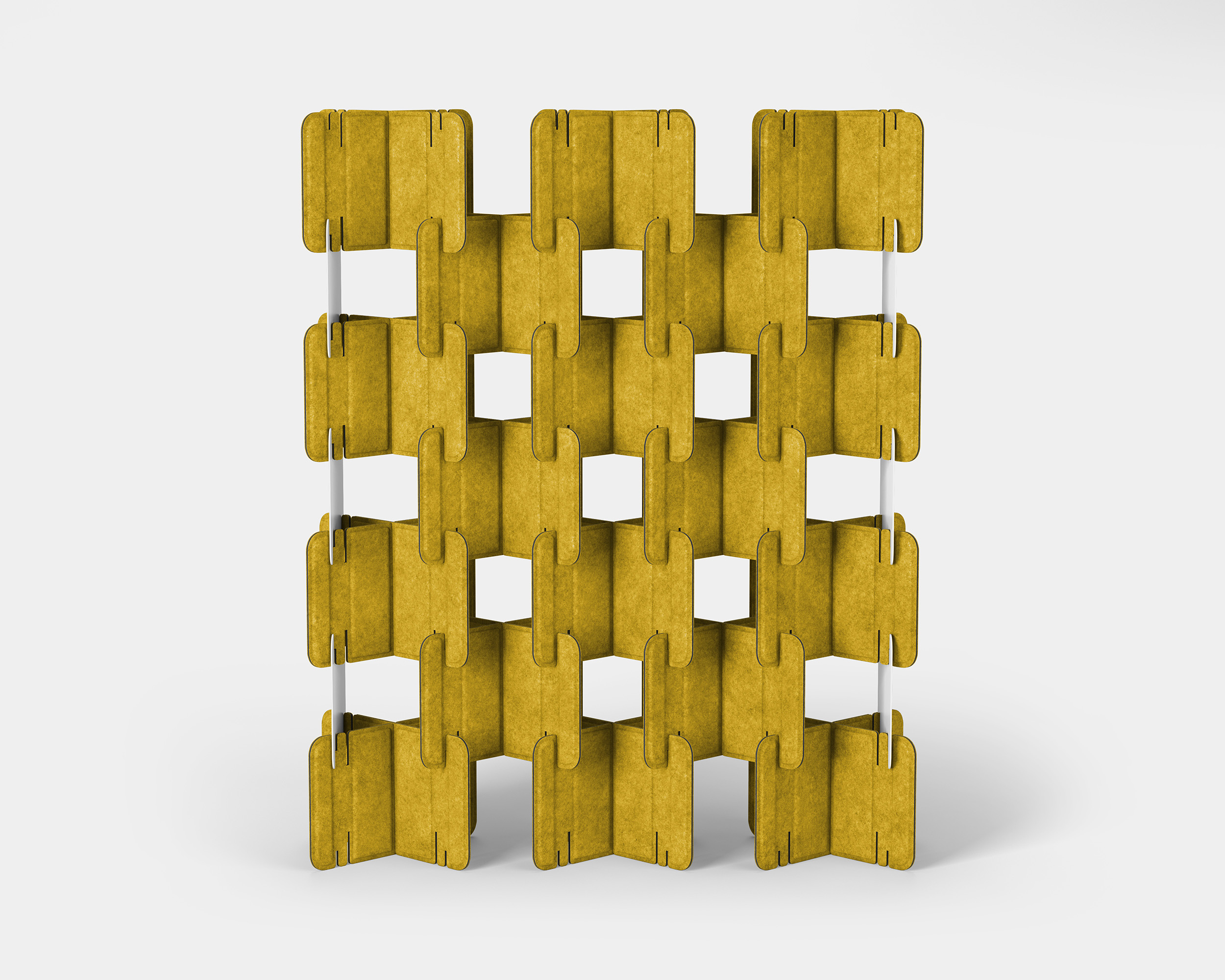
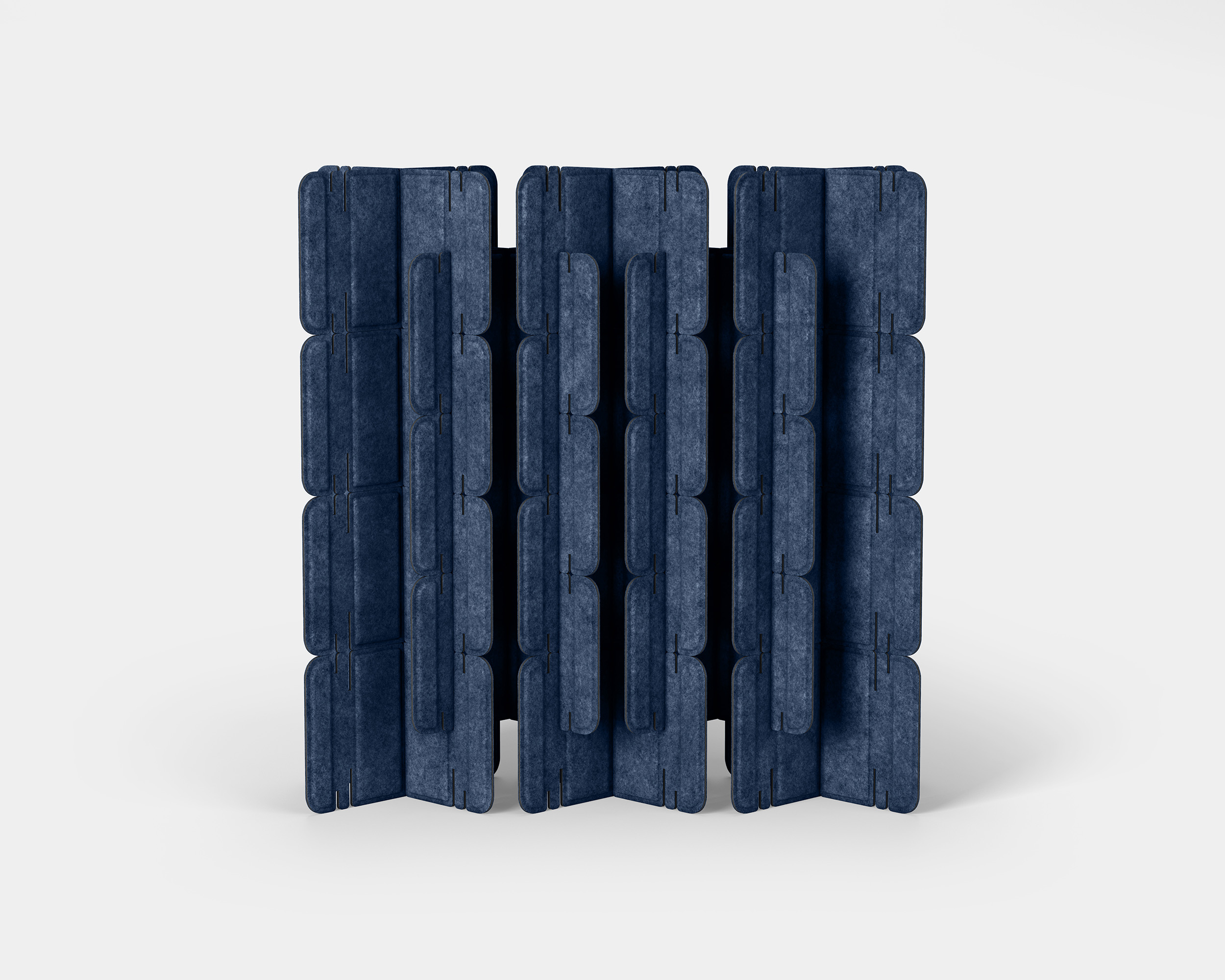
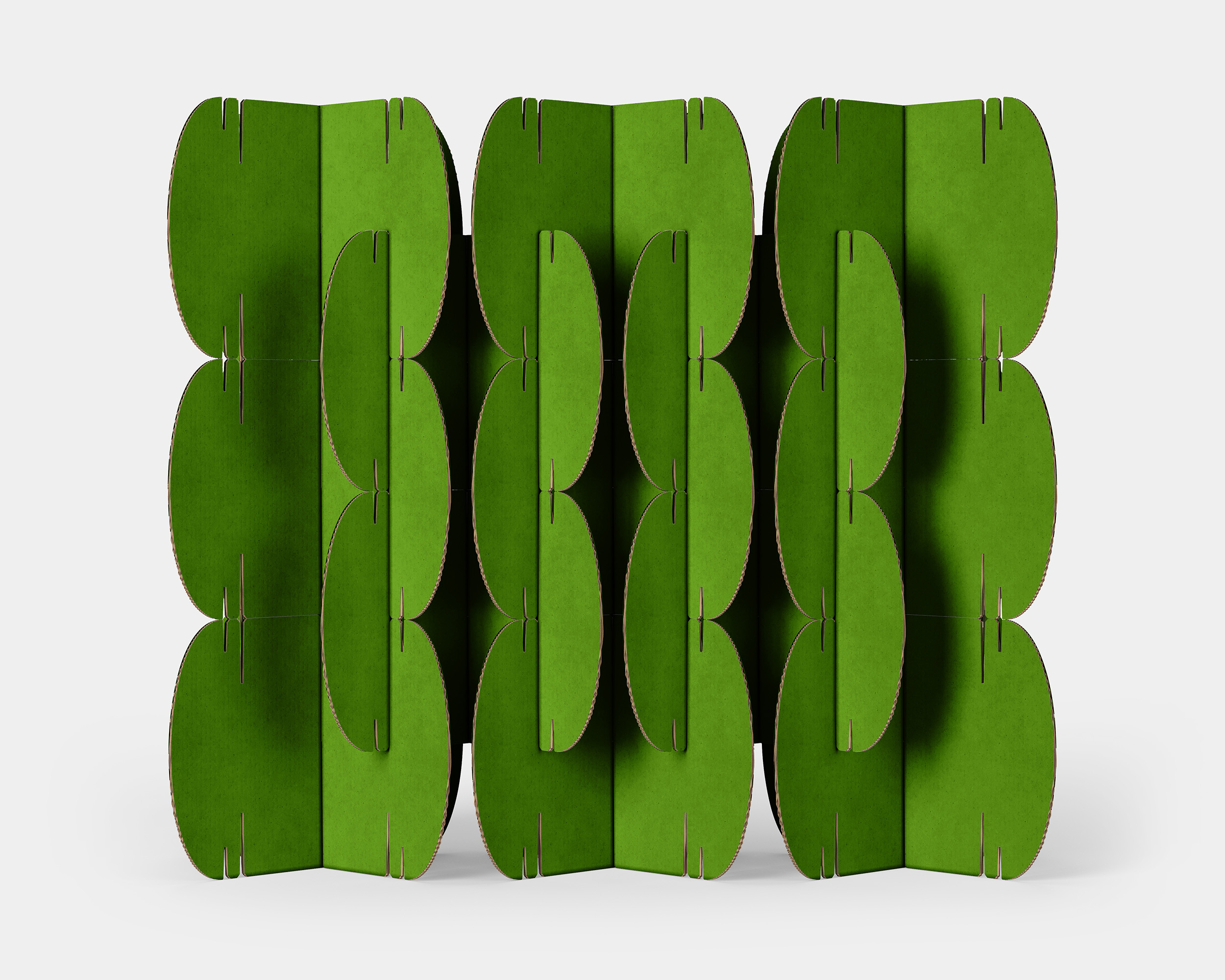
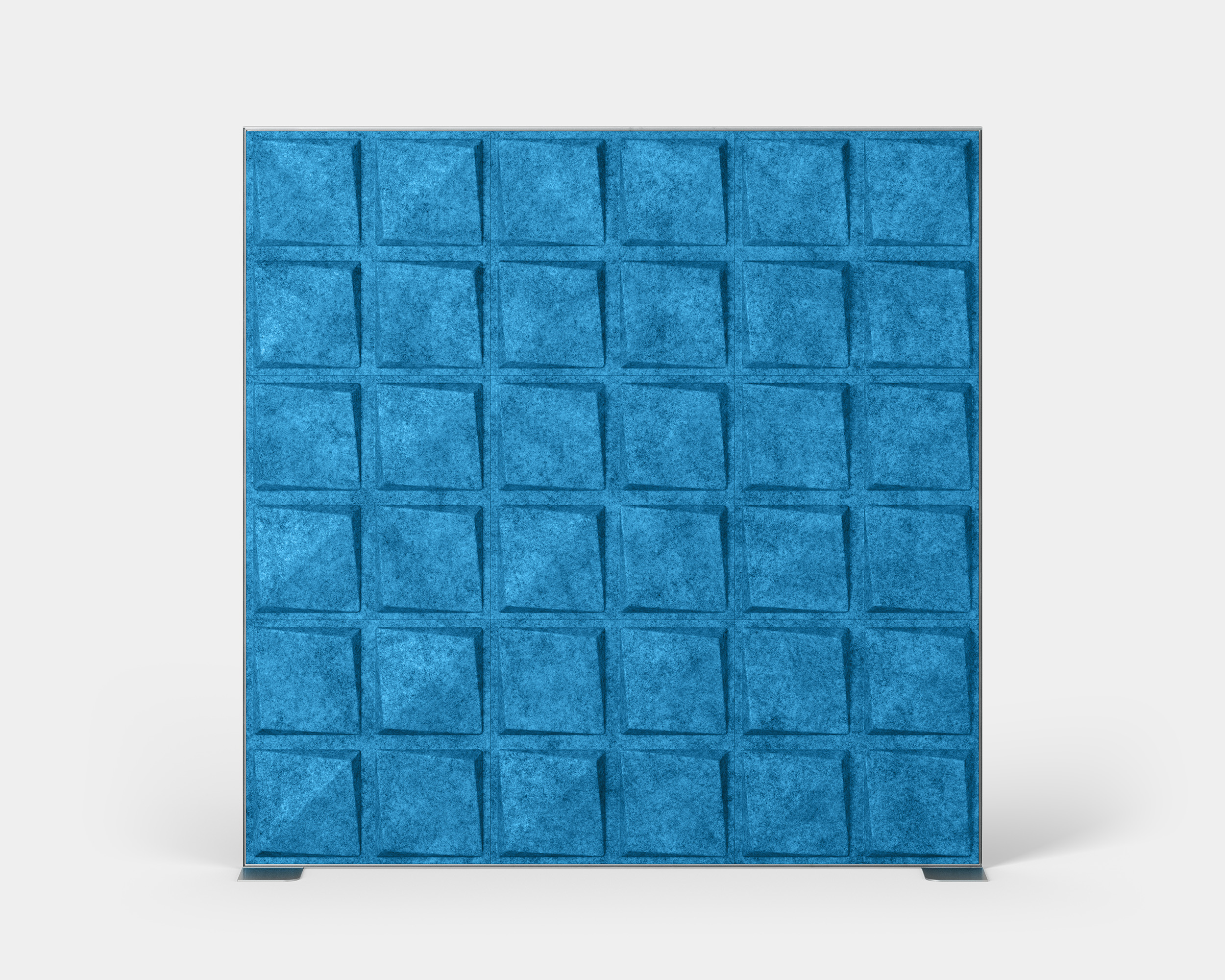
Clean, consistent product imagery.
Each product was visualized against a controlled white background, creating a consistent set of images across MIO Culture’s growing catalog. The neutral presentation keeps the focus on form, material and construction while allowing the visuals to work across e-commerce, specifications, print and other brand applications.
Behind the Scenes
The final images rely on a detailed production process developed to keep a large and varied product collection visually consistent. From studying the physical materials and constructing the 3D models to lighting, styling and post-production, each stage was built around accurately representing the character of the real products while maintaining flexibility for future variations.
Material Study
Understanding the material before recreating it.
Physical Feltform samples were studied closely to understand their surface texture, softness, stitching, seams and broad color range. These details informed the development of the digital materials, helping the renders retain the depth and tactile quality that distinguish MIO Culture’s acoustic products.

Lighting & Styling
Light designed to reveal form and material.
Lighting was approached differently depending on the purpose of each image. White-background renders use soft, controlled illumination for clarity and consistency, while lifestyle scenes introduce more directional light, contrast and atmosphere. Across both approaches, the goal is to reveal the softness, texture and dimensionality of the products without allowing the lighting to overpower their design.


Modeling
Recreating the products in detail.
Each product was modeled according to its real-world form and specifications, with particular attention given to panel thickness, edge profiles, stitching, seams and subtle curvature. These small details become especially important in close-up and white-background imagery, where the product itself is the entire focus.

Post-production
Building flexibility into the final images.
Each product was modeled according to its real-world form and specifications, with particular attention given to panel thickness, edge profiles, stitching, seams and subtle curvature. These small details become especially important in close-up and white-background imagery, where the product itself is the entire focus.
